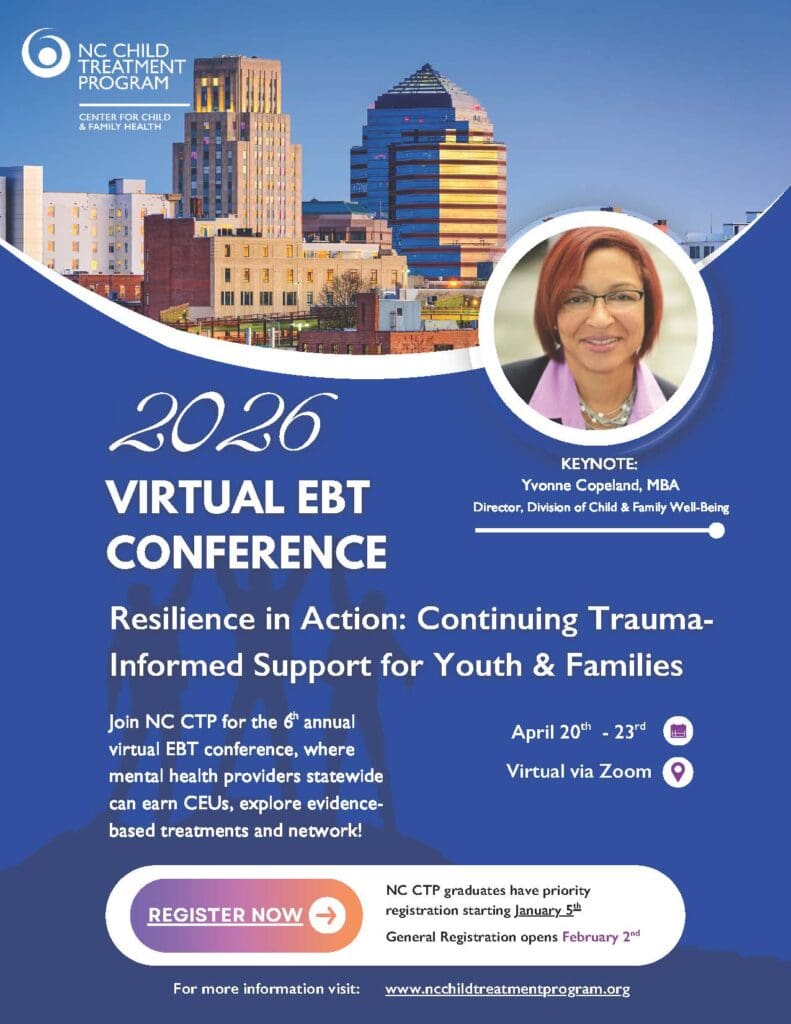
NC CTP Spring 2026 Annual EBT Conference
Resilience in Action: Continuing Trauma-Informed Support for Youth & Families
04/20/2026 - 04/23/2026
9:00 am - 12:15 pm
Virtual via Zoom
Through the Spring 2026 Annual EBT Conference, the NC Child Treatment Program aims to help clinical mental health providers in North Carolina sustain and improve EBT implementation and learn about existing and emerging trends in community mental health.
This virtual conference will cover an array of advanced topics aimed at enhancing clinical skills in areas such as:
- Clinical considerations for working with special populations
- Improving clinician engagement and support
- Clinician, supervisor, and organization-level strategies for navigating and responding to Secondary Traumatic Stress (STS)
Spring 2026 Annual EBT Conference
Resilience in Action: Continuing Trauma-Informed Support for Youth & Families
When?
Optional Pre-Conference (4 Hours):
Monday, April 20th, 2026, 9:00am – 12:15pm
Tuesday, April 21st, 2026, 9:00am – 10:00am
Main Conference (8 Hours):
Tuesday, April 21st, 2026, 10:15am – 12:15pm
Wednesday, April 22nd, 2026, 9:00am – 12:15pm
Thursday, April 23rd, 2026, 9:00am – 12:15pm
Optional “Coffee Connections” Networking Sessions:
Wednesday, April 22nd, 2026, 8:30am – 8:55am
Thursday, April 23rd, 2026, 8:30am – 8:55am
Who?
All NC CTP and/or CCFH Program Graduates who have completed one or more EBT training programs with us; plus NC Clinical Mental Health Providers, Clinical Supervisors, and Agency Leadership who have not yet trained with NC CTP.
Where?
Virtual Training via Zoom, hosted by the NC Child Treatment Program.
Clinical Credits?
8.0 NBCC credits, 8.0 NC Psychology Category A credits, 8.0 Wake AHEC Contact Hours, and 0.8 Continuing Education Credits (CEUs) are available to conference participants. Additional credits, including 4.0 NBCC credits, 4.0 NC Psychology Category A credits, 4.0 Wake AHEC Contact Hours, and 0.4 Continuing Education Credits (CEUs), are available for those who also participate in the optional Pre-Conference session. Unfortunately, we are not permitted to offer credits for Coffee Connections sessions.
Cost?
NC CTP Program Graduates:
$175.00 for Conference, Three Half-Days; or
$240.00 for Pre-Conference & Conference Combo Package, Four Half-Days
NC Providers New to NC CTP:
$225.00 for Conference, Three Half-Days; or
$300.00 for Pre-Conference & Conference Combo Package, Four Half-Days
Registration
Priority Registration: Begins Monday, January 5th, 2026. Open to providers, clinical supervisors, and agency leadership who have graduated from one or more trainings with NC CTP and/or CCFH (in AF-CBT, ABC, ARC, Bounce Back, CPP, CPT, LEAF, PCIT, PSB-CBT™, RPC, SPARCS, SPARCS-ST, TF-CBT, and/or WET).
General Registration: Begins Monday, February 2nd, 2026. Open to the groups listed above, as well as to clinical mental health providers, clinical supervisors, and agency leadership in North Carolina who have not trained with NC CTP, or who are currently enrolled in an NC CTP/CCFH learning collaborative and have not yet graduated from training.
Registration Deadline: NC CTP will accept registration request forms until 5:00pm EDT on Friday, March 20th, 2026. Please be sure to submit your form before this deadline if you are interested in attending the conference.
Get Updates
Join the NC CTP Distribution Listserv to get notifications about upcoming trainings, including our wide variety of EBT Learning Collaboratives as well as the Annual EBT Conference. Contact NC CTP to enroll!
Sponsorship Opportunities
The NC Child Treatment Program is offering the opportunity for community partners to connect with our statewide network of mental health clinicians via sponsorship of the 2026 Annual EBT Conference. Click the button below to explore our sponsorship tiers and benefits, or contact us at sponsorship@ncchildtreatmentprogram.org to learn more!
2026 Annual EBT Conference Sponsorships9:00am – 12:15pm
(with a 15-min break halfway)
Pre-Conference, Part I
Electronic and Online Sexual Behavior: But Wait, the Kids Know More Than We Do!
Speakers: Nikki Croteau-Johnson, MA, LPA, HSP-PA, and Rachel Maid, MSW, LCSW
Electronic and online sexual behavior has become increasingly more critical to understand and address in children and adolescents. Our society’s reliance on, and 24-hour access to, social networking and media means that children are regularly exposed to mature content and sexual themes. This presentation will explore the pathways by which youth encounter sexual media online and the subsequent effects on their social and emotional health. The presenters will also introduce various therapeutic techniques to address online problematic sexual behavior and allow participants opportunities to practice utilizing various scenarios.
Intended Audience:
- Clinicians / Direct Service Providers
- Clinical Supervisors and Agency Leadership
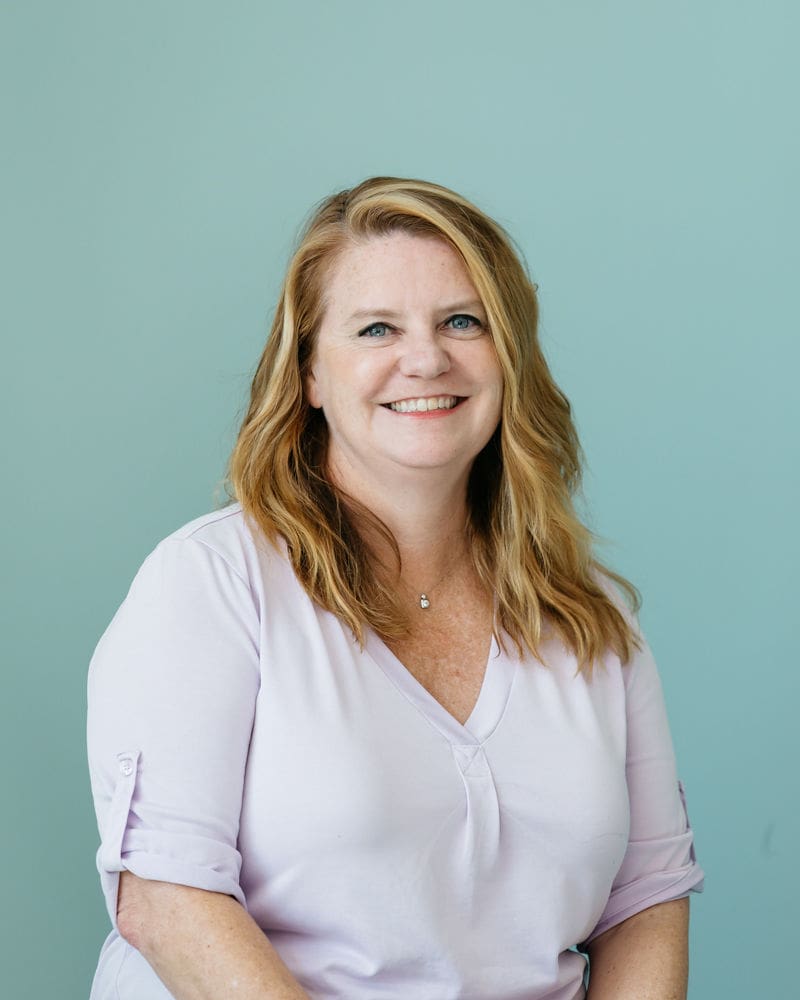
Nikki Croteau-Johnson, MA, LPA
Clinical Director, Problematic Sexual Behavior Program
Nikki Croteau-Johnson, MA, LPA, HSP-PA, is a psychologist with clinical experience working with children, adolescents and their families in outpatient and forensic settings since 2000. Nikki has specialty training in several evidence-based treatments, including Problematic Sexual Behavior Cognitive Behavioral Therapy, School-Age (PSB-CBT-S), Adolescent (PSB-CBT-A) and Preschool (PSB-CBT-P), as well as Trauma-Focused Cognitive Behavioral Therapy (TF-CBT). She is also the Lead Trainer-in-Training for PSB-CBT-S. Nikki serves as the Clinical Director for the Problematic Sexual Behavior (PSB) Program for Children and Adolescents at the NC Child Treatment Program, where in addition to providing direct clinical services, she oversees the implementation of a statewide PSB program; the development of a clinical workforce, as well as clinical policy and procedures; stakeholder education and engagement; and other sustainability initiatives.
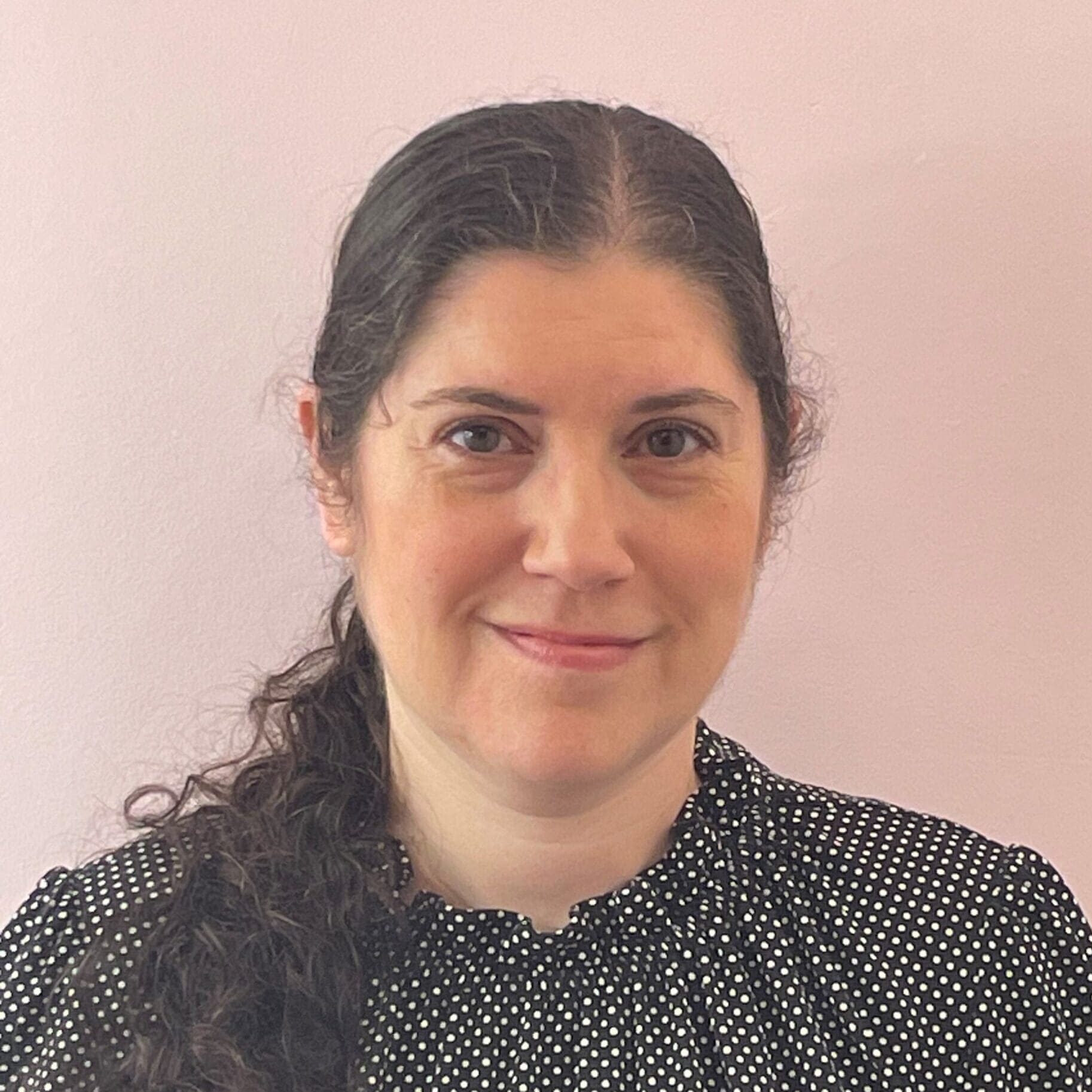
Rachel Maid, MSW, LCSW
Lead PSB-CBT-S Trainer, NC Child Treatment Program
Rachel Maid, MSW, LCSW, is a licensed clinical social worker with the Problematic Sexual Behavior Program at the NC Child Treatment Program. Rachel is the Lead Clinician for Problematic Sexual Behavior Cognitive Behavioral Therapy, School-Age (PSB-CBT-S) and Preschool (PSB-CBT-P), and a clinician for PSB-CBT Adolescent (PSB-CBT-A). She is also a Trainer-in-Training for PSB-CBT-S. In these roles, Rachel provides treatment to families; trains clinicians in PSB-CBT; educates community stakeholders about PSB; and participates in the implementation of a statewide PSB program. Additionally, Rachel is trained in Trauma-Focused Cognitive Behavioral Therapy (TF-CBT) and TF-CBT for Preschool and School-age Children with PSB Related to Trauma.
An In-depth Review From Development, Through Validation, To Implementation: The CAPC-5 and TRACES Assessment Measures
Speakers: Lisa Amaya-Jackson, MD, MPH, Mary Wise-Kriplani, MSW, LCSW, PhD, IMH-E®, and Donna Potter, LCSW
The CAPC-5 and TRACES assessment measures were developed in response to CTP clinicians’ requests to more effectively assess complex PTSD and emotional dysregulation resulting from the many forms of trauma experienced by today’s youth. In this Pre-Conference session, presenters will provide in-depth description of the process of developing these measures with child and caregiver participation, validating these measures with CTP clinicians’ involvement, and using these measures with diverse families and children. Participants will practice administering and scoring the measures for three diagnoses (DSM-5 PTSD, ICD-11 PTSD, and DSM-4 C-PTSD). Ample time will be allotted for question and answer with the audience as well as interactive activities to deepen understanding of the development and administration of the measures.
Intended Audience:
- Clinicians / Direct Service Providers
- Clinical Supervisors and Agency Leadership
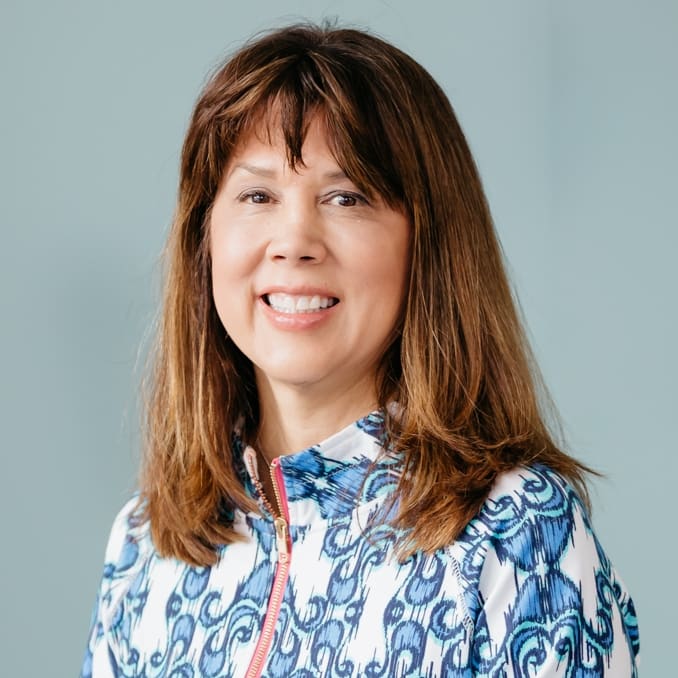
Lisa Amaya-Jackson, MD, MPH
Director Emeritus, NC Child Treatment Program
Lisa Amaya-Jackson, MD, MPH, is a child and adolescent psychiatrist with more than 30 years of experience in the field of child trauma treatment. Dr. Amaya-Jackson is a tenured professor of Psychiatry and Behavioral Sciences at Duke University Medical Center, the Director of Duke Psychiatry’s Evidence-based Practice Implementation Center, and a Co-Director of the UCLA-Duke National Center for Child Traumatic Stress, the coordinating center for the SAMHSA-funded National Child Traumatic Stress Network (NCTSN). Dr. Amaya-Jackson is also a co-founder of the Center for Child & Family Health (CCFH), a collaboration among three universities that offers specialized services and training for community providers working with children exposed to trauma. She additionally serves as Director Emeritus of the NC Child Treatment Program (NC CTP), a statewide public mental health initiative that trains clinicians to deliver evidence-based trauma treatments.
Dr. Amaya-Jackson is known for her research on assessment and cognitive-behavioral treatment, and for her experience in effectively implementing child trauma-informed, evidence-based treatments (EBTs) in community practice. Dr. Amaya-Jackson’s research and training interests currently focus on implementation science and decision-making guidance in the use of EBTs to create a trauma-informed mental health workforce, as well as on. She has published in numerous peer-reviewed journals and co-edited Enhancing Early Attachments: Theory, Research, Intervention, and Policy. Dr. Amaya-Jackson’s efforts span policy development, workforce training, and clinical strategies to build a trauma-informed mental health workforce nationwide.
Mary Wise-Kriplani, MSW, LCSW, PhD, IMH-E®
ARCh Project Director, Center for Child & Family Health
Mary Wise-Kriplani, MSW, LCSW, PhD, IMH-E®, is the Project Director of the Advancing Resources for Children (ARCh) Project: Connecting NC’s Systems to Strengthen Infant and Early Childhood Mental Health Outcomes at the Center for Child and Family Health in Durham, NC. Dr. Wise-Kriplani is on the DC:0-5™ Expert Faculty Roster, endorsed to facilitate trainings on its use as a diagnostic classification for the assessment of mental health disorders in infancy and early childhood. Her work focuses on developing a state workforce skilled at assessing, preventing, and treating mental health disorders experienced in early childhood. With a background as a psychodynamically-trained and trauma-informed clinician, Dr. Wise-Kriplani was previously faculty with the Child-Parent Psychotherapy training team as part of the NC Child Treatment Program, and she continues to provide Reflective Supervision and Consultation to early childhood clinicians. She has particular interest in supporting young children who have experienced family death and in supporting the clinicians who work with these young children and their families.
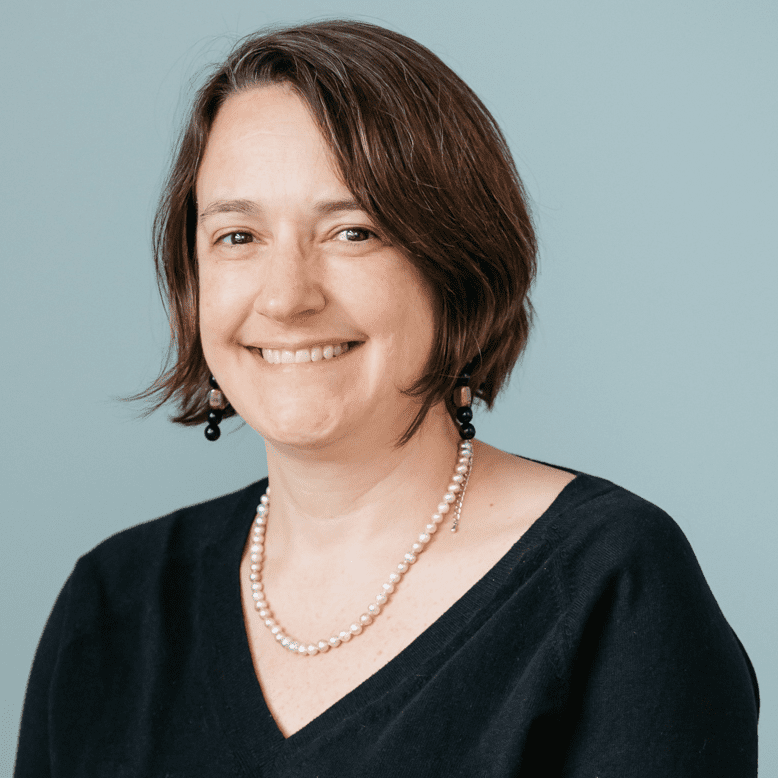
Donna Potter, LCSW
Director of Clinical Assessment, EBT Readiness, and TF-CBT & CPP Dissemination, North Carolina Child Treatment Program
Donna Potter, LCSW, has worked with traumatized children and families since 1992. She spent 25 years as an instructor for Duke University’s Department of Psychiatry before accepting the position of Director of Clinical Assessment, EBT Readiness, and TF-CBT & CPP Dissemination with the North Carolina Child Treatment Program. Ms. Potter is endorsed as a national trainer by the developers of Child-Parent Psychotherapy (CPP) and Trauma-Focused Cognitive Behavioral Therapy (TF-CBT).
Throughout her decades at the Center for Child & Family Health, Ms. Potter has conducted forensic evaluations of child physical and sexual abuse and neglect and has acted as an expert witness for the courts. She has provided consultation to the North Carolina Division of Mental Health, Developmental Disabilities, and Substance Abuse on issues of diagnosis and treatment of Reactive Attachment Disorder (RAD), including co-writing the clinical guidelines for assessment, diagnosis, and treatment of RAD. Ms. Potter has also provided training to departments of social services child welfare workers using NCTSN’s Child Welfare Trauma Training Toolkit, and to community clinicians providing military-informed treatment to members of the military and their families through the Welcome Back Veterans Project. Ms. Potter spent two decades providing trauma treatment to children and their families, more than half of which was evidence-based trauma treatment, before shifting her focus completely to the dissemination of evidence-based treatment practices throughout North Carolina and the country.
Areas of Focus: Trauma-Focused Cognitive Behavioral Therapy (TF-CBT), Child-Parent Psychotherapy (CPP), Early Childhood Attachment and Trauma, Reactive Attachment Disorder (RAD), Child Welfare Trauma Training Toolkit, Assessment and Case Conceptualization
AI, Youth Mental Health, and Families: Ethics, Advocacy, and Practice in a Digital Age
Speaker: Marina A. Badillo-Diaz, LCSW
Artificial intelligence is transforming how young people manage emotions, connect with others, and seek support, making it essential for mental health providers to understand its impact. This four-hour pre-conference workshop examines emerging research on youth use of AI tools such as chatbots and digital companions, exploring both their potential benefits and ethical challenges related to privacy, misinformation, and suicide risk. Participants will gain practical strategies and family-centered resources, including a Parent Guide, to help caregivers navigate AI’s influence on youth mental health with empathy, safety, and informed advocacy.
Intended Audience:
- General Audience / All
- Clinicians / Direct Service Providers
- Clinical Supervisors and Agency Leadership

Marina A. Badillo-Diaz, LCSW
Founder & CEO, The AI Social Worker; Founder & CEO, MABD Consulting
Marina A. Badillo-Diaz, LCSW, is an experienced former school administrator and counseling director with a demonstrated history of working in community mental health and in education as a social worker. She is the founder of MABD Consulting, where she conducts training for educators and social workers who wish to ethically and responsibly integrate artificial intelligence (AI) into their practice. Dr. Badillo-Diaz is also an adjunct professor, teaching at New York University, Columbia University, Hunter College, and Louisiana State University. She is the author of “The AI Social Worker”, a widely recognized blog that serves as a 21st-century skills and AI guide for social workers. Her teaching portfolio includes courses for NYU’s Silver School of Social Work postgraduate certificate programs, specifically focusing on school social work practice, data and technology, and AI in mental health. She currently serves on the NASW-NY State Chapter Board as secretary and is a former northeastern rep board member of the School Social Work Association of America. She has presented nationally and internationally on AI and social work practice, including engagements with the National School Social Work Association of America, the Canadian Association for Social Work, and the School Social Work Association of America, and has conducted trainings for over 4,500 social workers across the United States and Canada. Dr. Badillo-Diaz’s areas of expertise include 21st-century skills, social-emotional learning, school social work practice, youth mental health, clinical supervision, AI applications, and data management. Her current research explores how school social workers are integrating AI into their daily practice.
Do the Right Thing! Navigating the Challenges of Ethical Dilemmas
Speaker: Alesha Perkins, MSW, LCSW, CCM
This session focuses on ethical challenges clinicians face in both telehealth service delivery and in-person care. Through lively discussions, relatable case studies, and practical tools, participants will learn how to confidently handle ethical dilemmas, set clear boundaries, and apply proven decision-making models, with a focus on principles outlined in the NASW and ACA codes of ethics. Whether you are a new clinician or a seasoned professional, this training will equip you with a strong ethical foundation to elevate the quality of care you deliver.
Intended Audience:
- General Audience / All
- Clinicians / Direct Service Providers
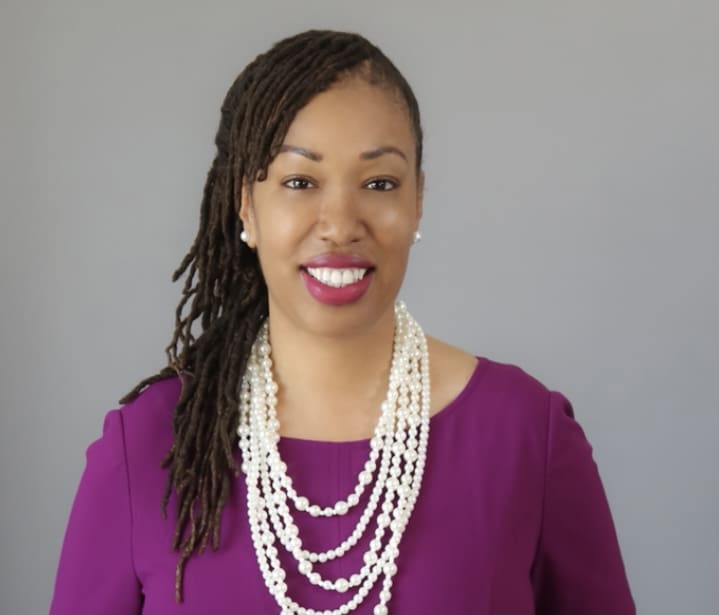
Alesha Perkins, MSW, LCSW, CCM
Manager of Behavioral Health Case Management
Alesha Perkins, MSW, LCSW, CCM, is a Licensed Clinical Social Worker in Virginia and North Carolina and a Certified Case Manager with over 20 years of experience in medical social work, child protective services, mental health, substance use counseling, and case management. She has spent more than a decade designing and facilitating trainings for medical and mental health professionals, as well as for state and national professional organizations. Alesha is a passionate advocate for mental health equity, educating and empowering underserved and minority communities. She also serves as President of True Blue Toastmasters Club, where she mentors others in leadership and communication skills. She currently serves as Manager of Behavioral Health Case Management at a leading health insurance provider, provides clinical supervision, maintains a part-time private practice, and co-owns Perkins Medical Services—a training organization delivering high-quality education to healthcare and mental health professionals.
9:00am – 10:00am
Pre-Conference, Part II
Electronic and Online Sexual Behavior: But Wait, the Kids Know More Than We Do!
Speakers: Nikki Croteau-Johnson, MA, LPA, HSP-PA, and Rachel Maid, MSW, LCSW
Electronic and online sexual behavior has become increasingly more critical to understand and address in children and adolescents. Our society’s reliance on, and 24-hour access to, social networking and media means that children are regularly exposed to mature content and sexual themes. This presentation will explore the pathways by which youth encounter sexual media online and the subsequent effects on their social and emotional health. The presenters will also introduce various therapeutic techniques to address online problematic sexual behavior and allow participants opportunities to practice utilizing various scenarios.
Intended Audience:
- Clinicians / Direct Service Providers
- Clinical Supervisors and Agency Leadership
Nikki Croteau-Johnson, MA, LPA, HSP-PA,
Clinical Director, Problematic Sexual Behavior Program
Nikki Croteau-Johnson, MA, LPA, HSP-PA, is a psychologist with clinical experience working with children, adolescents and their families in outpatient and forensic settings since 2000. Nikki has specialty training in several evidence-based treatments, including Problematic Sexual Behavior Cognitive Behavioral Therapy, School-Age (PSB-CBT-S), Adolescent (PSB-CBT-A) and Preschool (PSB-CBT-P), as well as Trauma-Focused Cognitive Behavioral Therapy (TF-CBT). She is also the Lead Trainer-in-Training for PSB-CBT-S. Nikki serves as the Clinical Director for the Problematic Sexual Behavior (PSB) Program for Children and Adolescents at the NC Child Treatment Program, where in addition to providing direct clinical services, she oversees the implementation of a statewide PSB program; the development of a clinical workforce, as well as clinical policy and procedures; stakeholder education and engagement; and other sustainability initiatives.
Rachel Maid, MSW, LCSW
Lead PSB-CBT-S Trainer, NC Child Treatment Program
Rachel Maid, MSW, LCSW, is a licensed clinical social worker with the Problematic Sexual Behavior Program at the NC Child Treatment Program. Rachel is the Lead Clinician for Problematic Sexual Behavior Cognitive Behavioral Therapy, School-Age (PSB-CBT-S) and Preschool (PSB-CBT-P), and a clinician for PSB-CBT Adolescent (PSB-CBT-A). She is also a Trainer-in-Training for PSB-CBT-S. In these roles, Rachel provides treatment to families; trains clinicians in PSB-CBT; educates community stakeholders about PSB; and participates in the implementation of a statewide PSB program. Additionally, Rachel is trained in Trauma-Focused Cognitive Behavioral Therapy (TF-CBT) and TF-CBT for Preschool and School-age Children with PSB Related to Trauma.
An In-depth Review From Development, Through Validation, To Implementation: The CAPC-5 and TRACES Assessment Measures
Speakers: Lisa Amaya-Jackson, MD, MPH, Mary Wise-Kriplani, MSW, LCSW, PhD, IMH-E®, and Donna Potter, LCSW
The CAPC-5 and TRACES assessment measures were developed in response to CTP clinicians’ requests to more effectively assess complex PTSD and emotional dysregulation resulting from the many forms of trauma experienced by today’s youth. In this Pre-Conference session, presenters will provide in-depth description of the process of developing these measures with child and caregiver participation, validating these measures with CTP clinicians’ involvement, and using these measures with diverse families and children. Participants will practice administering and scoring the measures for three diagnoses (DSM-5 PTSD, ICD-11 PTSD, and DSM-4 C-PTSD). Ample time will be allotted for question and answer with the audience as well as interactive activities to deepen understanding of the development and administration of the measures.
Intended Audience:
- Clinicians / Direct Service Providers
- Clinical Supervisors and Agency Leadership
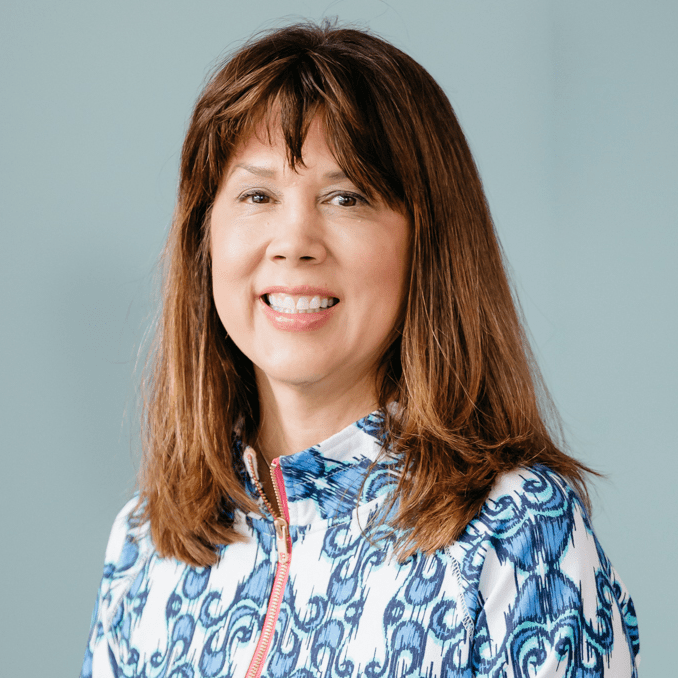
Lisa Amaya-Jackson, MD, MPH
Director Emeritus, NC Child Treatment Program
Lisa Amaya-Jackson, MD, MPH, is a child and adolescent psychiatrist with more than 30 years of experience in the field of child trauma treatment. Dr. Amaya-Jackson is a tenured professor of Psychiatry and Behavioral Sciences at Duke University Medical Center, the Director of Duke Psychiatry’s Evidence-based Practice Implementation Center, and a Co-Director of the UCLA-Duke National Center for Child Traumatic Stress, the coordinating center for the SAMHSA-funded National Child Traumatic Stress Network (NCTSN). Dr. Amaya-Jackson is also a co-founder of the Center for Child & Family Health (CCFH), a collaboration among three universities that offers specialized services and training for community providers working with children exposed to trauma. She additionally serves as Director Emeritus of the NC Child Treatment Program (NC CTP), a statewide public mental health initiative that trains clinicians to deliver evidence-based trauma treatments.
Dr. Amaya-Jackson is known for her research on assessment and cognitive-behavioral treatment, and for her experience in effectively implementing child trauma-informed, evidence-based treatments (EBTs) in community practice. Dr. Amaya-Jackson’s research and training interests currently focus on implementation science and decision-making guidance in the use of EBTs to create a trauma-informed mental health workforce, as well as on. She has published in numerous peer-reviewed journals and co-edited Enhancing Early Attachments: Theory, Research, Intervention, and Policy. Dr. Amaya-Jackson’s efforts span policy development, workforce training, and clinical strategies to build a trauma-informed mental health workforce nationwide.
Mary Wise-Kriplani, MSW, LCSW, PhD, IMH-E®
ARCh Project Director, Center for Child & Family Health
Mary Wise-Kriplani, MSW, LCSW, PhD, IMH-E®, is the Project Director of the Advancing Resources for Children (ARCh) Project: Connecting NC’s Systems to Strengthen Infant and Early Childhood Mental Health Outcomes at the Center for Child and Family Health in Durham, NC. Dr. Wise-Kriplani is on the DC:0-5™ Expert Faculty Roster, endorsed to facilitate trainings on its use as a diagnostic classification for the assessment of mental health disorders in infancy and early childhood. Her work focuses on developing a state workforce skilled at assessing, preventing, and treating mental health disorders experienced in early childhood. With a background as a psychodynamically-trained and trauma-informed clinician, Dr. Wise-Kriplani was previously faculty with the Child-Parent Psychotherapy training team as part of the NC Child Treatment Program, and she continues to provide Reflective Supervision and Consultation to early childhood clinicians. She has particular interest in supporting young children who have experienced family death and in supporting the clinicians who work with these young children and their families.
Donna Potter, LCSW
Director of Clinical Assessment, EBT Readiness, and TF-CBT & CPP Dissemination, North Carolina Child Treatment Program
Donna Potter, LCSW, has worked with traumatized children and families since 1992. She spent 25 years as an instructor for Duke University’s Department of Psychiatry before accepting the position of Director of Clinical Assessment, EBT Readiness, and TF-CBT & CPP Dissemination with the North Carolina Child Treatment Program. Ms. Potter is endorsed as a national trainer by the developers of Child-Parent Psychotherapy (CPP) and Trauma-Focused Cognitive Behavioral Therapy (TF-CBT).
Throughout her decades at the Center for Child & Family Health, Ms. Potter has conducted forensic evaluations of child physical and sexual abuse and neglect and has acted as an expert witness for the courts. She has provided consultation to the North Carolina Division of Mental Health, Developmental Disabilities, and Substance Abuse on issues of diagnosis and treatment of Reactive Attachment Disorder (RAD), including co-writing the clinical guidelines for assessment, diagnosis, and treatment of RAD. Ms. Potter has also provided training to departments of social services child welfare workers using NCTSN’s Child Welfare Trauma Training Toolkit, and to community clinicians providing military-informed treatment to members of the military and their families through the Welcome Back Veterans Project. Ms. Potter spent two decades providing trauma treatment to children and their families, more than half of which was evidence-based trauma treatment, before shifting her focus completely to the dissemination of evidence-based treatment practices throughout North Carolina and the country.
Areas of Focus: Trauma-Focused Cognitive Behavioral Therapy (TF-CBT), Child-Parent Psychotherapy (CPP), Early Childhood Attachment and Trauma, Reactive Attachment Disorder (RAD), Child Welfare Trauma Training Toolkit, Assessment and Case Conceptualization
AI, Youth Mental Health, and Families: Ethics, Advocacy, and Practice in a Digital Age
Speaker: Marina A. Badillo-Diaz, LCSW
Artificial intelligence is transforming how young people manage emotions, connect with others, and seek support, making it essential for mental health providers to understand its impact. This four-hour pre-conference workshop examines emerging research on youth use of AI tools such as chatbots and digital companions, exploring both their potential benefits and ethical challenges related to privacy, misinformation, and suicide risk. Participants will gain practical strategies and family-centered resources, including a Parent Guide, to help caregivers navigate AI’s influence on youth mental health with empathy, safety, and informed advocacy.
Intended Audience:
- General Audience / All
- Clinicians / Direct Service Providers
- Clinical Supervisors and Agency Leadership
Marina A. Badillo-Diaz, LCSW
Founder & CEO, The AI Social Worker; Founder & CEO, MABD Consulting
Marina A. Badillo-Diaz, LCSW, is an experienced former school administrator and counseling director with a demonstrated history of working in community mental health and in education as a social worker. She is the founder of MABD Consulting, where she conducts training for educators and social workers who wish to ethically and responsibly integrate artificial intelligence (AI) into their practice. Dr. Badillo-Diaz is also an adjunct professor, teaching at New York University, Columbia University, Hunter College, and Louisiana State University. She is the author of “The AI Social Worker”, a widely recognized blog that serves as a 21st-century skills and AI guide for social workers. Her teaching portfolio includes courses for NYU’s Silver School of Social Work postgraduate certificate programs, specifically focusing on school social work practice, data and technology, and AI in mental health. She currently serves on the NASW-NY State Chapter Board as secretary and is a former northeastern rep board member of the School Social Work Association of America. She has presented nationally and internationally on AI and social work practice, including engagements with the National School Social Work Association of America, the Canadian Association for Social Work, and the School Social Work Association of America, and has conducted trainings for over 4,500 social workers across the United States and Canada. Dr. Badillo-Diaz’s areas of expertise include 21st-century skills, social-emotional learning, school social work practice, youth mental health, clinical supervision, AI applications, and data management. Her current research explores how school social workers are integrating AI into their daily practice.
Do the Right Thing! Navigating the Challenges of Ethical Dilemmas
Speaker: Alesha Perkins, MSW, LCSW, CCM
This session focuses on ethical challenges clinicians face in both telehealth service delivery and in-person care. Through lively discussions, relatable case studies, and practical tools, participants will learn how to confidently handle ethical dilemmas, set clear boundaries, and apply proven decision-making models, with a focus on principles outlined in the NASW and ACA codes of ethics. Whether you are a new clinician or a seasoned professional, this training will equip you with a strong ethical foundation to elevate the quality of care you deliver.
Intended Audience:
- General Audience / All
- Clinicians / Direct Service Providers
Alesha Perkins, MSW, LCSW, CCM
Manager of Behavioral Health Case Management
Alesha Perkins, MSW, LCSW, CCM, is a Licensed Clinical Social Worker in Virginia and North Carolina and a Certified Case Manager with over 20 years of experience in medical social work, child protective services, mental health, substance use counseling, and case management. She has spent more than a decade designing and facilitating trainings for medical and mental health professionals, as well as for state and national professional organizations. Alesha is a passionate advocate for mental health equity, educating and empowering underserved and minority communities. She also serves as President of True Blue Toastmasters Club, where she mentors others in leadership and communication skills. She currently serves as Manager of Behavioral Health Case Management at a leading health insurance provider, provides clinical supervision, maintains a part-time private practice, and co-owns Perkins Medical Services—a training organization delivering high-quality education to healthcare and mental health professionals.
10:00am – 10:15am
Break
10:15am – 12:15pm
Keynote Address
What It Takes to Sustain Care for Children, Families, and Those Who Serve Them
Speaker: Yvonne Copeland, MBA, and Stacie Forrest, LCMHC
In this keynote, Yvonne Copeland, Director of the Division of Child and Family Well-Being (DCFW), will reflect on key lessons from the past year and highlight how DCFW and NCDHHS have partnered to support behavioral health clinicians across North Carolina. Grounded in provider experiences, the session will invite participants into a facilitated discussion on what clinicians are seeing on the ground as they engage youth and families amid evolving funding environments. Attendees will leave with practical, actionable strategies for navigating change and maximizing available resources in a shifting landscape.
Intended Audience:
- General Audience / All
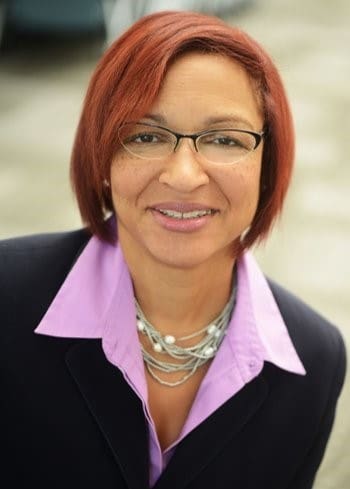
Yvonne Copeland, MBA
Director, Division of Child and Family Well-Being (DCFW), NC Department of Health and Human Services (NCDHHS)
Yvonne Copeland, MBA, is the first Director for the newly established Division of Child and Family Well-Being (DCFW) within the NC Department of Health and Human Services (NCDHHS), which brings together complementary health, behavioral health, early development, social, and nutrition programs that support children ages 0-21 and their families, with a focus on whole-person care. Yvonne provides strategic direction and oversight for about 1000 FTEs in the operation of programs within DCFW’s portfolio, including Whole Child Health, Early Intervention, Community Nutrition Services (WIC and CACFP) and FNS/SNAP.
Yvonne has over 30 years of strategy, policy, operations, and change management experience in public-sector health and human services. As Senior Vice President of Operations for a multi-state Quality Improvement Organization-Like Entity, designated by Centers for Medicaid and Medicare Service, she provided strategic direction and operations oversight of all federal and state services lines (population health, external quality review, utilization management, and program integrity) to enhance the quality of services provided by health plans and health care providers serving Medicaid and Medicare beneficiaries. As Vice President of Community Operations for a managed care organization, Yvonne partnered with local government agencies and stakeholders in rural counties to strengthen the behavioral health service delivery system, enhance coordination of care across agencies, and advance whole-person care to increase access to services, improve outcomes, and reduce unnecessary health care costs. As Executive Director for a trade association for public-sector managed care organizations, she led the organization through two major system transformations over a decade that led to a statewide IDD and behavioral health waiver to increase Medicaid beneficiaries’ access to services, expand the provider network, improve beneficiary outcomes and provide budget predictability and savings for the state.
Yvonne graduated from Meredith College with a Master of Business Administration, and from Rutgers University with a Bachelor of Arts in Statistical Research Methods/Sociology.
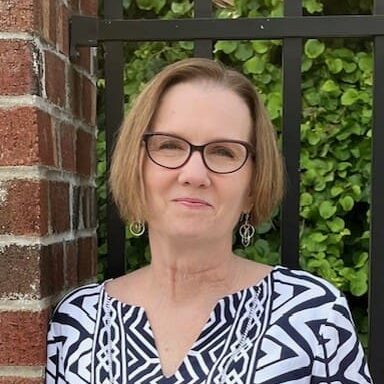
Stacie Forrest, LCMHC
Unit Manager of the Child Behavioral Health Team, Division of Child and Family Well-Being (DCFW), NC Department of Health and Human Services (NCDHHS)
Stacie Forrest, LCMHC, is a Licensed Clinical Mental Health Counselor (LCMHC) who brings over three decades of experience in the human services field. She is currently the Unit Manager for the Child Behavioral Health Team at NC DCFW (Division of Child and Family Well-Being) and prior to this worked at NC DMH/DD/SUS (Division of Mental Health/Developmental Disabilities/Substance Use Services) with the Customer Service and Community Rights Team.
Stacie has been licensed since 2002 and has extensive experience working in both public and private sectors across North and South Carolina. Her background includes work with private profit and non-profit community mental health agencies, providing direct care and oversight of enhanced child services, outpatient therapy, therapeutic foster care, and child protective services.
Stacie holds a Master’s degree in Clinical Counseling from Webster University and a Bachelor’s degree in Psychology from North Carolina State University. She is deeply committed to improving mental health services for children and adolescents, expanding access to care, and elevating the voices of youth and families in treatment, advocacy, and policy development.
9:00am – 10:30am
Session 1
Taking a Trauma-Informed, Collaborative Approach in Navigating Self-Harm Behaviors: Co-Occurring Factors, Differences from Suicidality, and Relation to Traumatic Stress
Speaker: Angela M. Tunno, MS, PhD, Licensed Psychologist
Non-Suicidal Self-Injury (NSSI): What is it, what is it not, how is it related to traumatic stress, and how do we address NSSI in a shame-free collaborative approach? Join this space for an engaging conversation on trauma-informed approaches to address NSSI.
Intended Audience:
- General Audience / All
- Clinicians / Direct Service Providers
- Clinical Supervisors and Agency Leadership
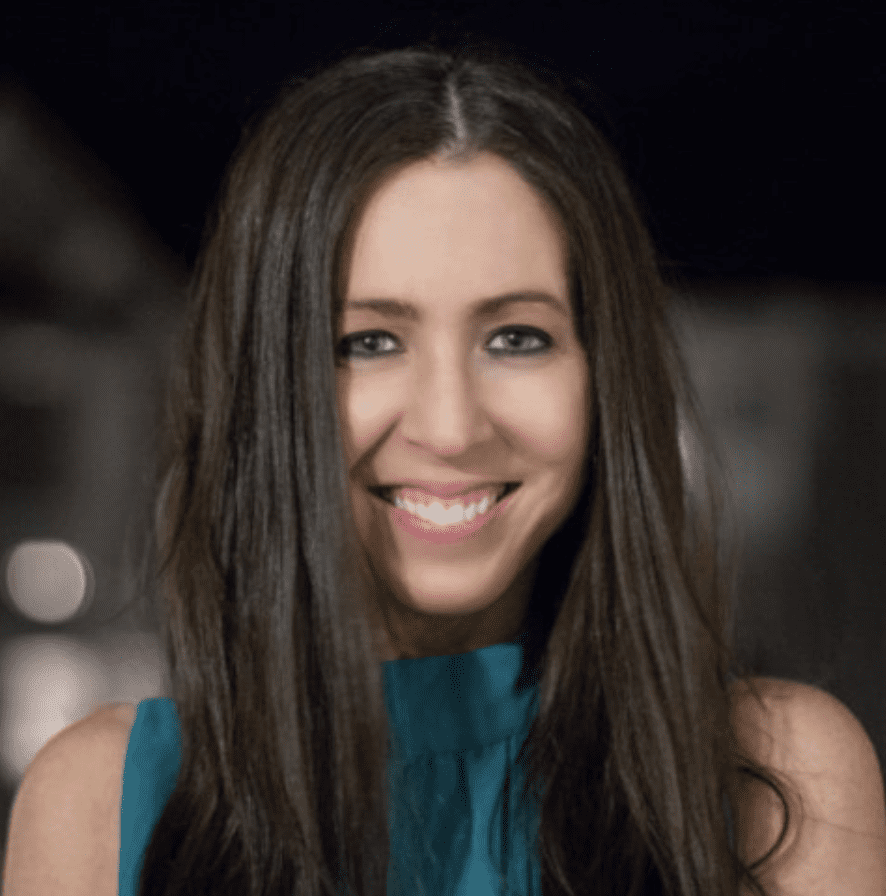
Angela M. Tunno, MS, PhD
Assistant Professor and Licensed Clinical Psychologist, Duke University Medical Center,
Department of Psychiatry and Behavioral Sciences,
National Center for Child Traumatic Stress
Angela M. Tunno, MS, PhD, is a licensed clinical psychologist and assistant professor at Duke University School of Medicine and the National Center for Child Traumatic Stress. Her work is grounded in culturally-responsive, trauma-informed, community-led care; and this framework is applied in her clinical, community, research, and national advocacy efforts. Dr. Tunno’s clinical, research, and community work focuses on the impact of trauma, developing knowledge and application of trauma-informed care in systems, trauma-informed suicide prevention and intervention, trauma-informed substance use prevention and intervention, and restorative justice efforts.
Taking Care of You: Strategies for Staying Engaged with Work, Managing Stress, Addressing Secondary Trauma, and Reducing Burnout
Speakers: Kate Murray, PhD, Licensed Psychologist, and Leila Keen, MSW, LCSW
Have you heard about the Components for Enhancing Clinician Engagement and Reducing Trauma (CE-CERT) model and want to learn what all the buzz is about? Have you attended the training and wish to brush up on your skills? This session, which can serve as either an intro to CE-CERT for those new to the model, or as a skills refresher for those who have already completed a CE-CERT training, will address commonly held myths and misperceptions of “self-care” done at home as the remedy to compassion fatigue and work stress. Instead, strategies will be presented that are both useful for individual clinicians to manage the stress of their work without succumbing to burnout and important for supervisors and agency leaders in promoting a healthy and sustainable workforce. Presenters will discuss each of the five components of CE-CERT and facilitate interactive reflective discussions.
Intended Audience:
- Clinicians / Direct Service Providers
- Clinical Supervisors and Agency Leadership

Kate Murray, PhD, Licensed Psychologist
ARC trainer, LEAF trainer, and CE-CERT trainer, NC Child Treatment Program, Center for Child & Family Health
Kate Murray, PhD, Licensed Psychologist, is an experienced trainer involved with the National Child Traumatic Stress Network (NCTSN), offering trainings in trauma-informed care for resource parents, trainees and mental health professionals, and other multidisciplinary professionals. Dr. Murray directly provides and also trains clinicians in the early intervention model Attachment and Biobehavioral Catch-up (ABC), as well as the complex trauma framework Attachment, Regulation, and Competency (ARC). She is a certified trainer in the Components for Enhancing Clinician Experience and Reducing Trauma (CE-CERT) model for secondary traumatic stress, and is also experienced in providing evidence-based interventions to traumatized children and families, such as Trauma-Focused Cognitive Behavioral Therapy (TF-CBT). Dr. Murray has served as the Director of the Post Adoption Support Services at the Center for Child & Family Health since 2014, overseeing the provision of mental health services to adoptive families. She has published several research articles and other publications related to child welfare, adoption, clinical assessment, and the evaluation of trauma-informed interventions. Dr. Murray received her doctorate in school psychology from the University of North Carolina at Chapel Hill.
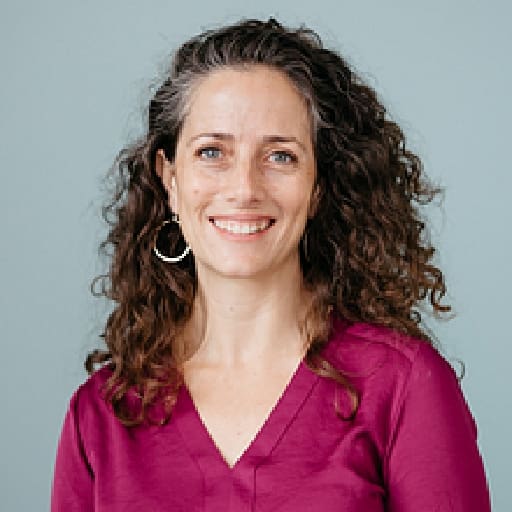
Leila Keen, MSW, LCSW
TF-CBT National Trainer and
Consultant, CE-CERT trainer, NC Child Treatment
Program
Leila Keen, MSW, LCSW, is a licensed clinical social worker who has specialized in addressing and treating childhood trauma since 2001. Ms. Keen is endorsed as a master trainer by the developers of Trauma-Focused Cognitive Behavioral Therapy (TF-CBT). In her position at the NC Child Treatment Program, she serves as a TF-CBT clinical faculty member, disseminating TF-CBT throughout North Carolina and the country by providing in-person and virtual trainings, as well as clinical consultation. Ms. Keen also provides trainings for clinicians in the Components for Enhancing Career Experience and Reducing Trauma (CE-CERT) model, and is a member of the Pathways to EBTs training team. Prior to her work with NC CTP, Ms. Keen directed a mentoring program for court-referred girls.
Forms and Functions of Trauma Narration across Evidence-Based Treatments
Speakers: Stefanie T. LoSavio, PhD, ABPP, and Donna Potter, LCSW
This session will discuss the role of trauma narratives—retelling the story of the trauma—in four different treatment models across the lifespan, including Child Parent Psychotherapy (CPP), Cognitive Processing Therapy (CPT), Trauma-Focused Cognitive Behavioral Therapy (TF-CBT), and Written Exposure Therapy (WET). The presenters will address similarities and differences in each protocol with regard to the specific purposes and methods used to facilitate trauma processing and outcomes emphasized.
Intended Audience:
- General Audience / All
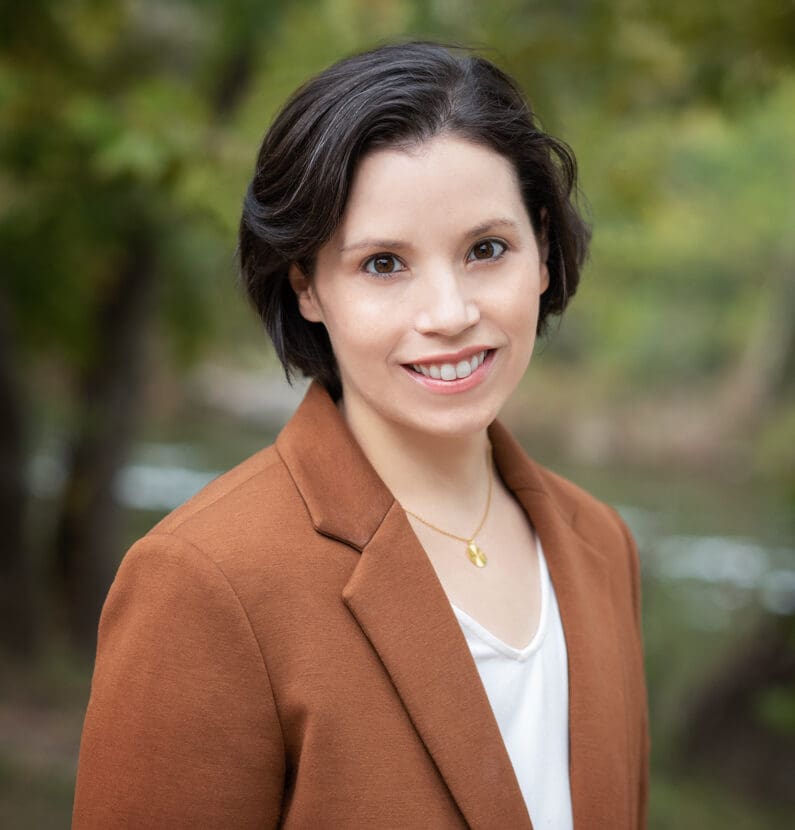
Stefanie T. LoSavio, PhD, ABPP
Director of Research and Innovation, STRONG STAR Training Initiative, The University of Texas Health Science Center at San Antonio
Stefanie T. LoSavio, PhD, ABPP, serves as Assistant Professor of Psychiatry and Behavioral Sciences and Director of Research and Innovation of the STRONG STAR Training Initiative at the University of Texas Health Science Center at San Antonio. Dr. LoSavio is a licensed psychologist, board certified in the Behavioral and Cognitive specialty by the American Board of Professional Psychology. Dr. LoSavio trains an international audience in evidence-based, cognitive behavioral therapies for posttraumatic stress disorder (PTSD) including cognitive processing therapy (CPT) and written exposure therapy (WET). In her research, Dr. LoSavio studies how to improve the effectiveness and efficiency of PTSD treatments and personalize treatment and training to optimize outcomes. Dr. LoSavio is co-author of the award-winning CPT self-help book Getting Unstuck from PTSD.
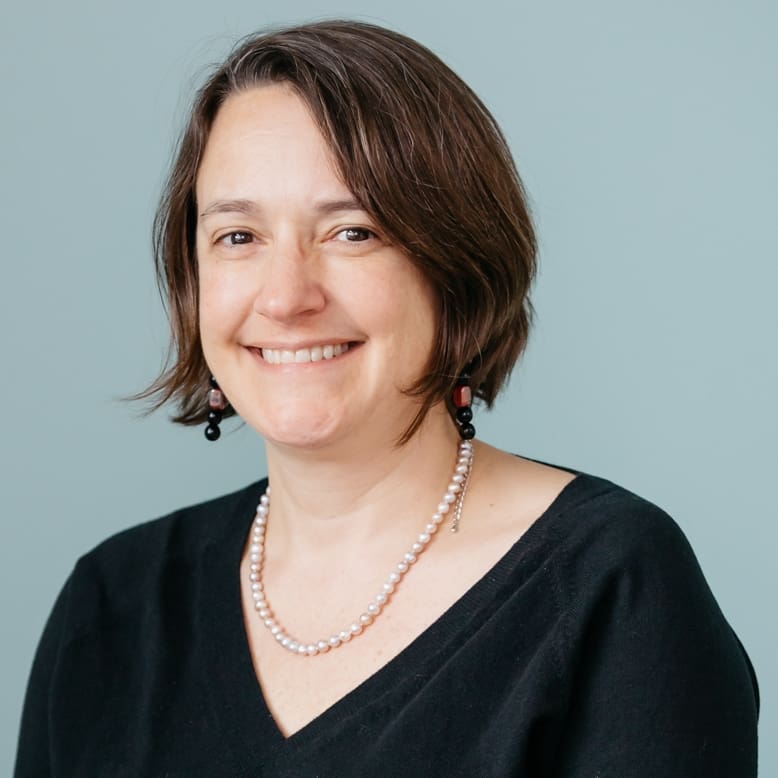
Donna Potter, LCSW
Director of Clinical Assessment, EBT Readiness, and TF-CBT & CPP Dissemination, North Carolina Child Treatment Program
Donna Potter, LCSW, has worked with traumatized children and families since 1992. She spent 25 years as an instructor for Duke University’s Department of Psychiatry before accepting the position of Director of Clinical Assessment, EBT Readiness, and TF-CBT & CPP Dissemination with the North Carolina Child Treatment Program. Ms. Potter is endorsed as a national trainer by the developers of Child-Parent Psychotherapy (CPP) and Trauma-Focused Cognitive Behavioral Therapy (TF-CBT).
Throughout her decades at the Center for Child & Family Health, Ms. Potter has conducted forensic evaluations of child physical and sexual abuse and neglect and has acted as an expert witness for the courts. She has provided consultation to the North Carolina Division of Mental Health, Developmental Disabilities, and Substance Abuse on issues of diagnosis and treatment of Reactive Attachment Disorder (RAD), including co-writing the clinical guidelines for assessment, diagnosis, and treatment of RAD. Ms. Potter has also provided training to departments of social services child welfare workers using NCTSN’s Child Welfare Trauma Training Toolkit, and to community clinicians providing military-informed treatment to members of the military and their families through the Welcome Back Veterans Project. Ms. Potter spent two decades providing trauma treatment to children and their families, more than half of which was evidence-based trauma treatment, before shifting her focus completely to the dissemination of evidence-based treatment practices throughout North Carolina and the country.
Areas of Focus: Trauma-Focused Cognitive Behavioral Therapy (TF-CBT), Child-Parent Psychotherapy (CPP), Early Childhood Attachment and Trauma, Reactive Attachment Disorder (RAD), Child Welfare Trauma Training Toolkit, Assessment and Case Conceptualization
Treating Trauma in Clients with ASD
Speaker: Abbe B. Colodny, MS, LCMHC
This session will provide a deep dive into how trauma manifests in autistic and neurodiverse individuals, investigating the unique challenges involved in supporting and working with neurodivergent individuals dealing with trauma. Participants will learn how the Internal Family Systems (IFS) modality assists in helping individuals heal, and how they can apply IFS principles and strategies to their own therapeutic practice.
Intended Audience:
- General Audience / All
- Clinicians / Direct Service Providers
- Clinical Supervisors and Agency Leadership
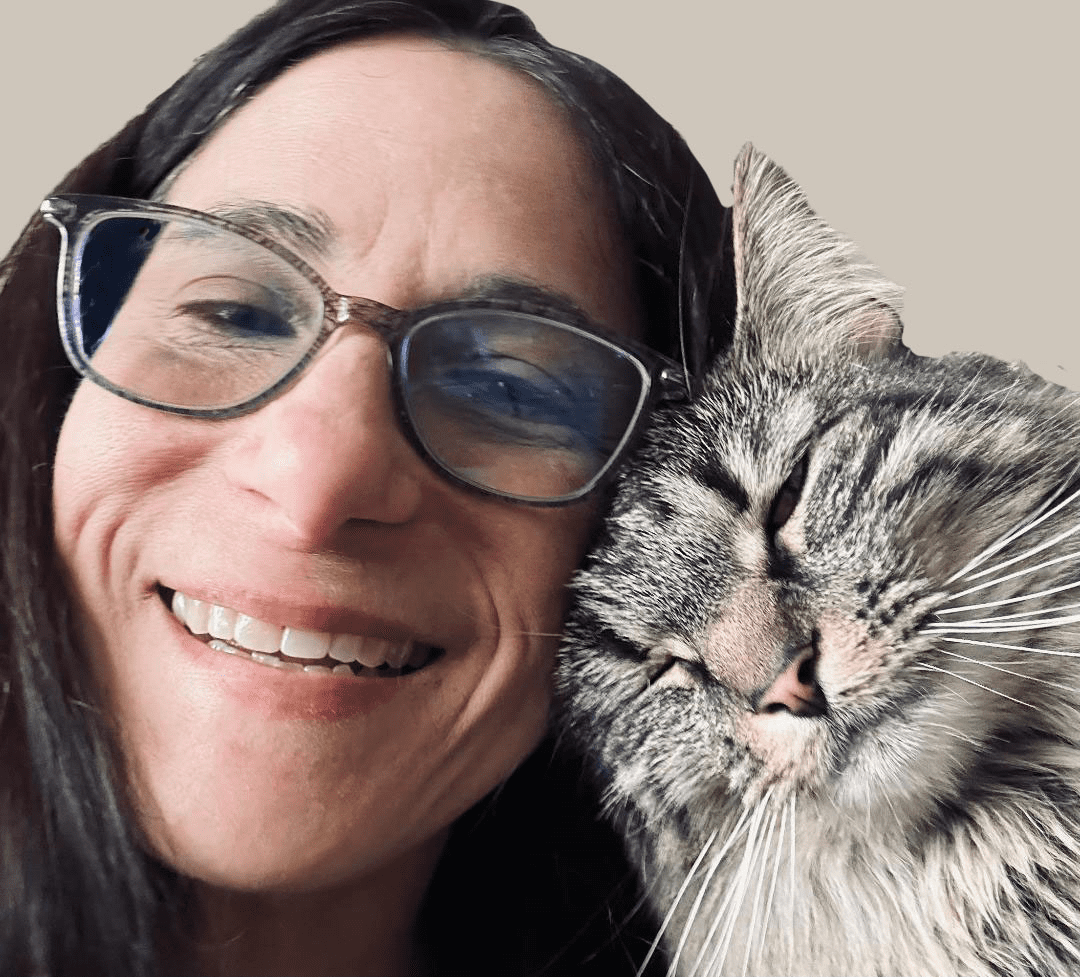
Abbe B. Colodny, MS, LCMHC
Psychotherapist, Owner of Achievement Counseling
Abbe B. Colodny, MS, LCMHC, is a Licensed Clinical Mental Health Counselor who has worked in the mental health field for over 15 years. Abbe opened her own private practice, Achievement Counseling, in 2017. She works primarily with neurodiverse individuals with autism, learning disabilities, Attention Deficit/Hyperactivity Disorder (ADHD), trauma, anxiety, and depression. Abbe interweaves a variety of different therapeutic techniques into her work in family and individual therapy. She is an Internal Family Systems (IFS)-informed therapist, and is working towards certification in IFS. Abbe writes and teaches workshops on autism, structured teaching, and best practices for clinicians working with autistic/neurodivergent individuals and mental health issues. Her previous experience includes traveling the country to lecture on Autism and Mental Health for PESI, Inc.
Panel Discussion: Lessons Learned for Medicaid Billing
Speakers: Amanda Schaefer, LCMHC, Mellicent O’Brien Blythe, MSW, LCSW, Cynia Black, MSW, LCSW, Chauncey Dameron, MBA, MSW, LCSW, Christie Martin, MSW, LCSW, John Thacker, LCMHC, LCAS, CRC, and Lylan C. Wingfield, MS, LCMHC, LCAS, NCC, MAC
This panel will include representatives from NC CTP, Medicaid payers, and provider agencies, discussing challenges and strategies for enhancing Medicaid billing. The Q & A will include details about the Medicaid billing process, and suggestions for NC Tracks, contracting, and accessing enhanced rates from Medicaid payers. There will be time for participants to ask questions.
Intended Audience:
- Clinical Supervisors and Agency Leadership
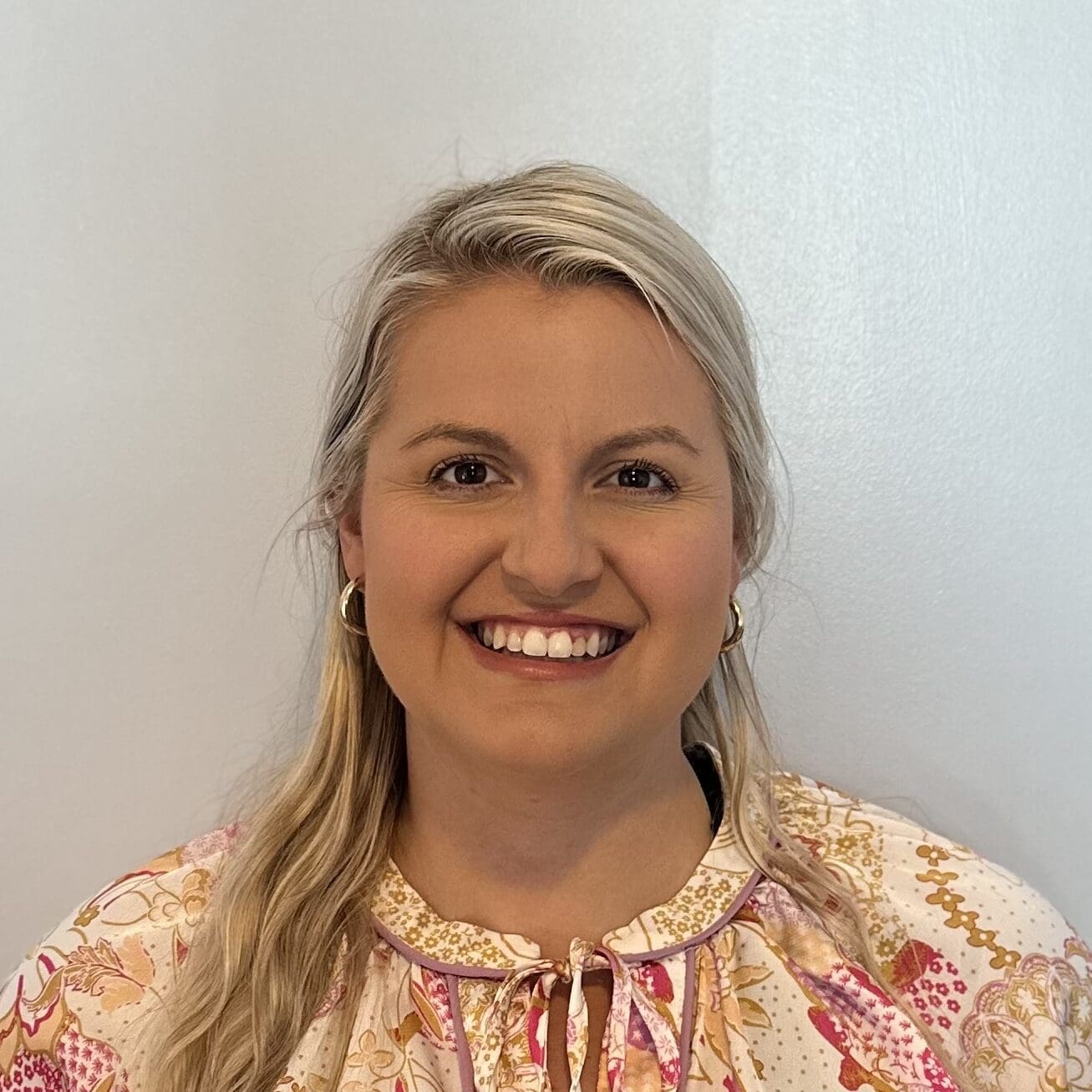
Amanda Schaefer, LCMHC
Implementation Advisor, NC Child Treatment Program
Amanda Schaefer, LCMHC, has been in the mental health field since 2016, with experience managing clinicians, training, crisis intervention work, and supporting a diverse group of individuals. Amanda joined the NC Child Treatment Program as an Implementation Advisor in 2024, with a focus on supporting agencies with implementing Medicaid and successfully executing evidenced-based treatments (EBTs). Prior to joining NC CTP, she served as an Outpatient Therapy Supervisor, a Clinical Coordinator for individuals with IDD and mental health concerns, and a Direct Care Supervisor at a residential facility for adults with autism. Amanda received her Master of Science in Clinical Rehabilitation and Mental Health Counseling from UNC-Chapel Hill in 2020. She is passionate about training, advocacy, support of area initiatives that assist those with disabilities, and expansion of mental health services for all.
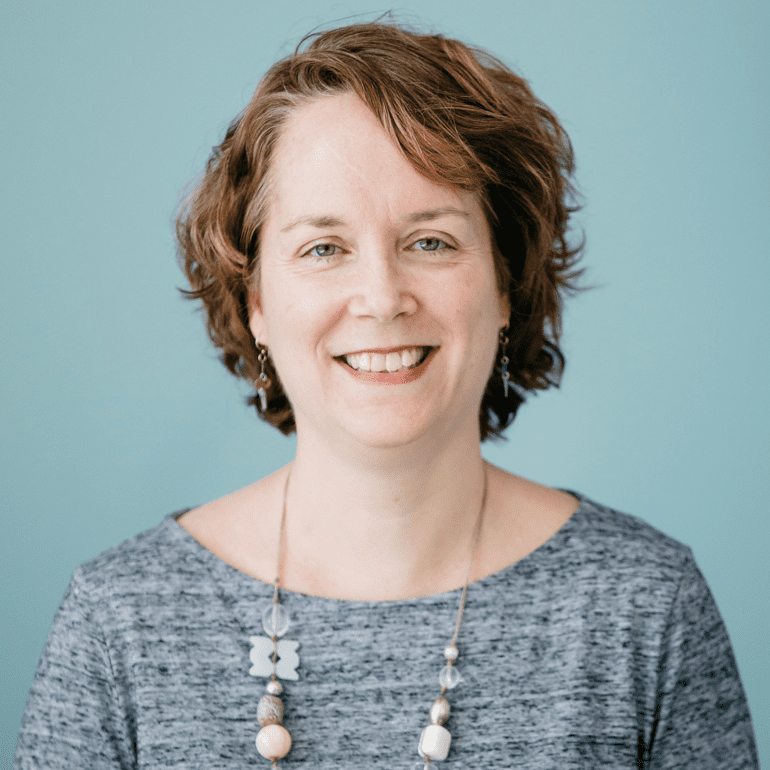
Mellicent O’Brien Blythe, MSW, LCSW
Implementation Specialist, NC Child Treatment Program
Mellicent O’Brien Blythe, MSW, LCSW, is the Implementation Specialist for the NC Child Treatment Program and a Clinical Assistant Professor at the UNC-Chapel Hill School of Social Work. Ms. Blythe oversees the Senior Leader track of NC CTP’s Learning Collaboratives, in which agency leaders receive training and consultation on implementing and sustaining evidence-based treatments. Before coming to CCFH, Ms. Blythe spent 10 years providing training, consultation, and publications for North Carolina’s child welfare system. She previously worked in New York and Virginia in a variety of direct practice settings, including juvenile detention, pediatric AIDS and oncology, and early intervention. Ms. Blythe received her Master’s in Social Work from New York University. Areas of focus: implementation science; leadership development; stakeholder engagement; child welfare.
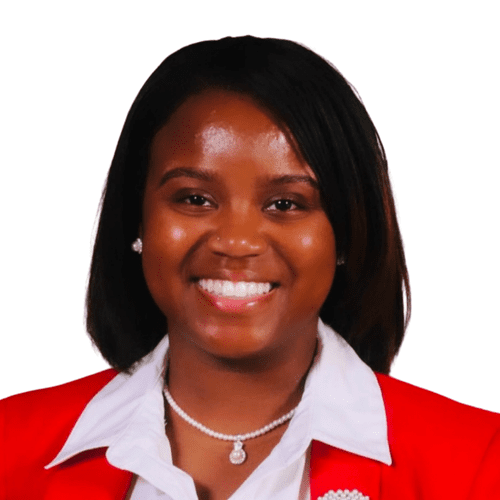
Cynia Black, MSW, LCSW
Program Manager, Parenting of Adolescents Program (POA), the Exchange Family Center
Cynia Black, MSW, LCSW, is a Durham native, born and raised. She is the Program Manager of the Parenting of Adolescents Program (POA) at the Exchange Family Center in Durham. Cynia began her work at the Exchange Family Center in 2018 as an Intern with their Family Support Program (FSP). As an intern, she assisted with grant writing, conducting mental health and strengths/needs assessments, implementing the SafeCare model with FSP families and youth. After receiving her Master’s Degree in Social Work from North Carolina State University in 2019, Cynia officially joined the EFC team as a Family Therapist with POA. As a Family Therapist, Cynia worked with families of adolescents ages 10-17 using evidenced-based models such as Motivational Interviewing (MI), Multidimensional Family Therapy (MDFT), Positive Parenting Program (Triple P), Cognitive Behavioral Therapy (CBT) and Trauma-Focused Cognitive Behavioral Therapy (TF-CBT). Cynia transitioned into her role as Program Manager of POA in May 2025. Her hope is to continue to grow the program and the agency for the purpose of continuing the vision, which is a world where ALL children are safe – physically and emotionally – and have the resources and support to guide them, and their caregivers, through life’s difficult moments..
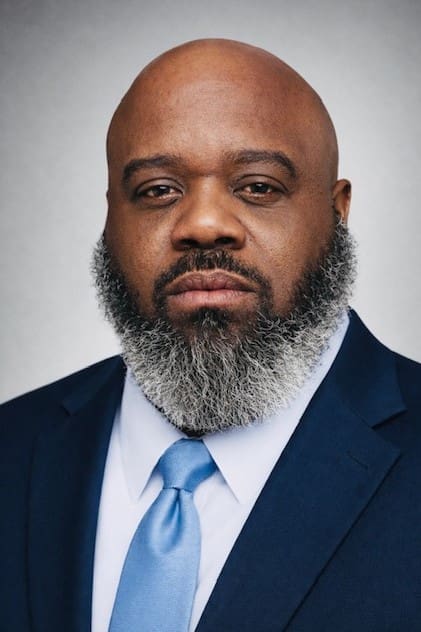
Chauncey Dameron, MBA,
Associate Vice President of Provider Engagement & Satisfaction, Trillium Health Resources
Chauncey Dameron, MBA, is the Associate Vice President of Provider Engagement & Satisfaction at Trillium Health Resources. With 18 years in healthcare and 13 years specifically in Managed Care, Chauncey leads a team focused on strengthening provider relationships, ensuring billing compliance, and improving operational efficiency across Medicaid and State-funded systems. He has supported major system implementations, led provider billing initiatives, and contributed to North Carolina’s Tailored Plan and physical health integration efforts. Chauncey brings a grounded, operational perspective to Medicaid billing, informed by years of direct work with providers navigating complex requirements. He holds an MBA in Healthcare Administration.
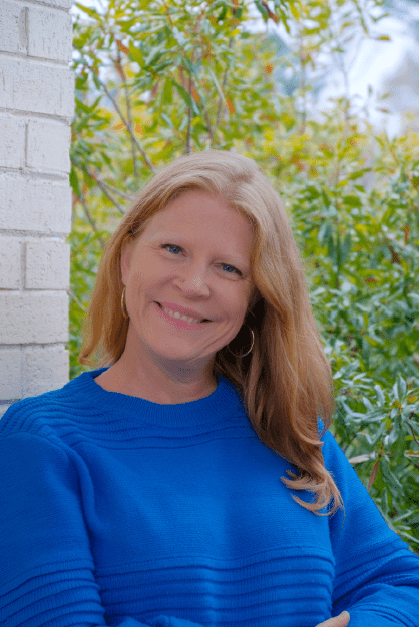
Christie Martin, MSW, LCSW
Founder and CEO of my therapy place, PLLC
Christie Martin, MSW, LCSW, is the founder and CEO of my therapy place, PLLC. She works as an outpatient therapist specializing in children, teens, and families, with a particular emphasis on trauma. Christie has over 15 years of experience in clinical settings such as Day Treatment Programs, Intensive In-Home care, School Social Work, school-based therapy, and outpatient treatment. For six years, Christie has owned her private practice, served as the Clinical Director, CEO, and managed staff at my therapy place, bringing substantial passion to advocacy, supervision, and working with clients from diverse backgrounds. She is a nationally rostered clinician in Trauma-Focused Cognitive Behavioral Therapy (TF-CBT) through the North Carolina Child Treatment Program (NC CTP) and serves as a Senior Leader training TF-CBT clinicians. Christie collaborates with Benchmarks to provide Trauma Intensive Comprehensive Clinical Assessments for the North Carolina Department of Social Services and sits on the North Carolina Advisory Committee for the Foster Care Trauma Informed Standardized Assessment. She earned her Master of Arts in Social Work from the University of North Carolina Greensboro and holds her license from the North Carolina Board of Clinical Social Workers. As a fun fact, Christie owns 32 musical instruments and once shaved her head.
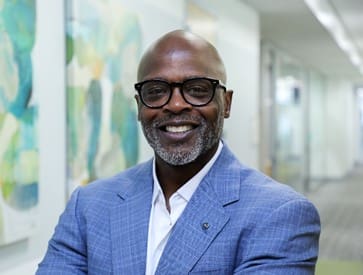
John Thacker, LCMHC, LCAS, CRC,
Provider Network Director, Children and Families Specialty Plan, Healthy Blue Care Together
John Thacker, LCMHC, LCAS, CRC, has an extensive background serving children and families within non-profit agencies, judicial courts, clinical settings, local county government, and health care organizations. Throughout his career, John has served in multiple roles to improve outcomes for vulnerable populations in North Carolina. His career began as a Mental Health Counselor in an acute hospital setting. He later transitioned to a Psychiatric Residential Treatment Facility (PRTF) working with adolescents addressing problematic sexual behaviors. Over his 30-year career, John has also served as a Regional Foster Care Director, Clinical Services Manager, Guardian ad Litem District Administrator, and Division Director for Family & Children Services in Forsyth County. John has served on community initiatives including the Commission on Ending Homelessness, the Juvenile Crime Prevention Council (JCPC), and the Opiod Task Force in Forsyth County. He is a Licensed Clinical Mental Health Counselor (LCMHC), a Licensed Clinical Addiction Specialist (LCAS), a Certified Rehabilitation Counselor (CRC) and maintains a private practice utilizing his certifications in Trauma Focused Cognitive Behavioral Therapy (TF-CBT) and Alcohol Drug Education Traffic School (ADETS) to support individuals with recovery and well-being. In his current role with Healthy Blue Care Together, John serves as the Provider Network Director for the Children and Families Specialty Plan.
Lylan C. Wingfield, MS, LCMHC, LCAS, NCC, MAC
VP and Chief Program Officer, Kellin Foundation
Lylan C. Wingfield, MS, LCMHC, LCAS, NCC, MAC, is a NC Licensed Clinical Mental Health Counselor, Licensed Clinical Addiction Specialist, and Qualified Supervisor. Lylan received her Masters in Community Counseling from University of North Carolina – Greensboro. She has over 15 years of experience in community mental health across the continuum of care. Lylan specializes in working with adolescents and adults facing co-occurring mental health and substance use challenges with specific focus on trauma. Currently, she serves as the Vice President and Chief Program Officer at the Kellin Foundation in Greensboro. She provides clinical supervision in addition to community outreach and education focused on building trauma informed agencies, systems, and communities.
10:30am – 10:45am
Break
10:45am – 12:15pm
Session 2
Beyond Stigma and Silence: Integrating Spiritual Resilience in Trauma Care
Speaker: Reverend Dr. Odell Montgomery Cooper, MA, PhD
This session explores how clinicians can effectively partner with clients who draw on faith as a core source of resilience, while also navigating the shame, silence, stigma, and hesitancy that can arise around trauma symptoms, suicidal thoughts, and medication use within many faith communities. Participants will examine the cultural and spiritual complexities that emerge when deeply held beliefs intersect with trauma, and through interactive discussion, case vignettes, and reflective practices, will learn strategies to honor spiritual identities, build trust, and integrate faith-sensitive interventions within evidence-based treatment. The session equips clinicians with practical approaches for supporting spiritual authenticity and whole-person healing in trauma-informed care.
Intended Audience:
- Clinicians / Direct Service Providers
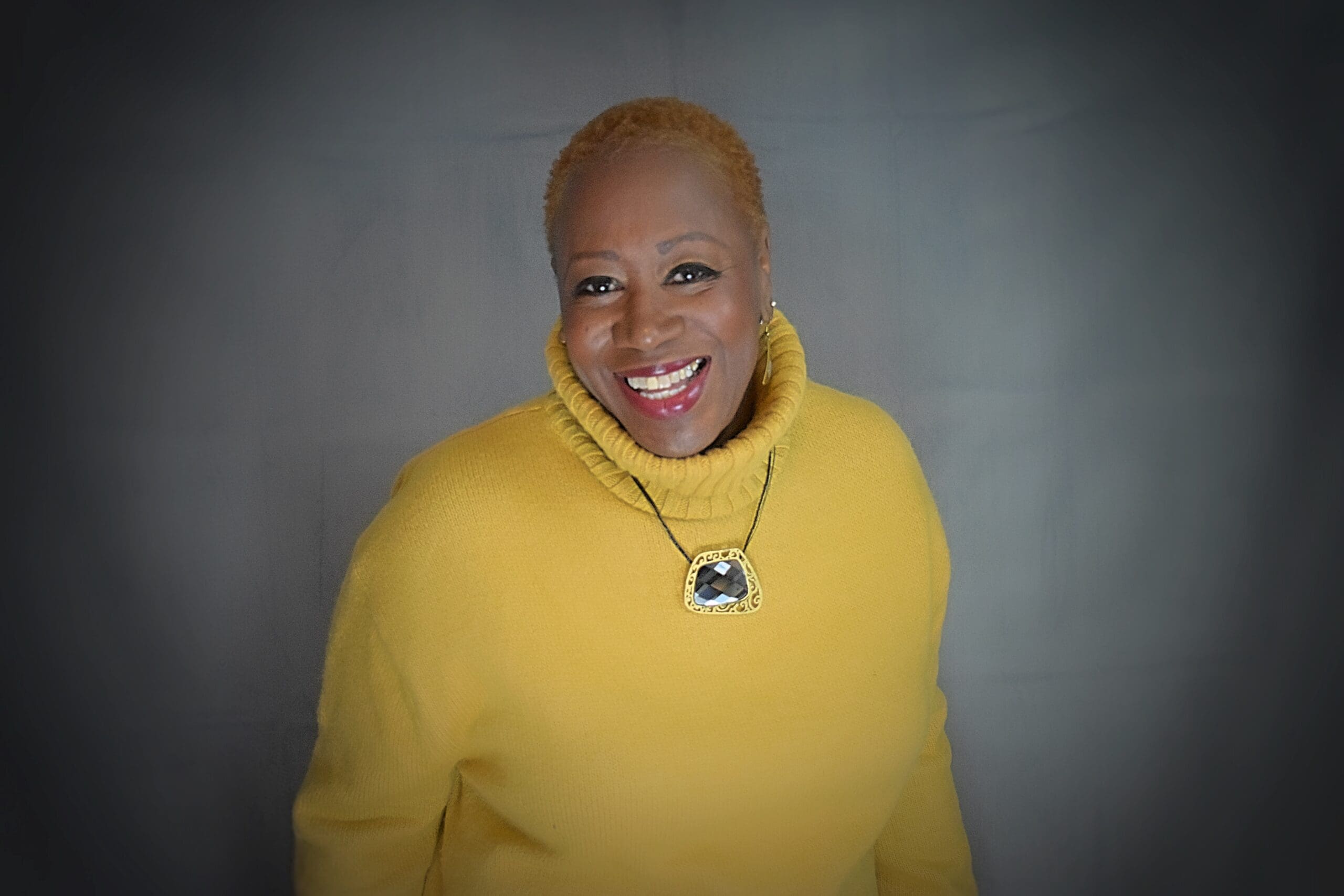
Reverend Dr. Odell Montgomery Cooper, MA, PhD
Founder/President,
Interruptions: Disrupting the
Silence, LLC
Rev. Dr. Odell M. Cooper, MA, PhD, doesn’t just write about transformation—she embodiesit. When her son was tragically murdered in a case of mistaken identity, and she later survived a life-threatening brain aneurysm, Rev. O. stood at the crossroads of despair and destiny. She chose destiny. From the ashes of unspeakable loss, she forged a mission that would echo across communities, congregations, and continents. Today, Rev. Dr. Cooper is a prophetic voice disrupting the dangerous silence around mental health, generational trauma, and spiritual wholeness. As CEO and Founder of Interruptions: Disrupting the Silence, LLC, she leads a movement that refuses to let stigma win, engaging diverse communities in the courageous conversations that save lives and heal generations.
Armed with a Ph.D. in Interreligious Studies with a specialization in Transformative Leadership, Rev. O. brings both scholarly rigor and raw authenticity to her work. She is an electrifying educator, Biblical Adjunct Professor at Grace Theological College, and an author whose words land like lightning, illuminating hidden wounds while offering a path toward healing. Her groundbreaking book, Interruptions: Disrupting the Silence, alongside its companion workbook Let’s Talk, has become essential reading in peer-to-peer emotional wellness programs nationwide. But Rev. O.’s impact extends far beyond the page. She has taken her message from the streets of Connecticut to the hallowed halls of the Vatican Library in Rome, presenting at powerhouse platforms including the National Child Traumatic Stress Network (NCTSN) hosted by UCLA/Duke University, the University of New Haven, and the National Association of Negro Business and Professional Women’s Clubs.
Rev. O’s work hasn’t gone unnoticed. The 2021 Community Healer Award from the Community Healing Network is just one of many honors recognizing her extraordinary contributions. She serves on the boards of the National Association Mental Illness (NAMI) and Congregations Organized for a new CT. (CONECT), wielding her influence to create systemic change. As a proud alumna from Howard University and Hartford International University; as a member of Delta Sigma Theta Sorority, Inc; and as a friend, mother, and grandmother, Rev. O brings the fullness of her identity to every space she enters.
Rev. O. continues writing love letters to a broken world. When she is not changing lives, you might find her analyzing handwriting, tending her garden, or cycling through new horizons—because reinvention, for Rev. Dr. Odell M. Cooper, is not a destination but a way of life.
Anchors & Air: How Leaders Steady and Sustain Staff Navigating Secondary Traumatic Stress (STS) and Other Workplace Strain
Speaker: Cambria Walsh, LCSW
This session introduces practice administrators and agency leaders to practical frameworks for recognizing and responding to Secondary Traumatic Stress and other occupational stressors. We will explore Executive CE-CERT as one evidence-informed approach, alongside additional models that help leaders steady and sustain their teams. Participants will leave with strategies they can adapt to their own organizational context.
Intended Audience:
- Clinical Supervisors and Agency Leadership
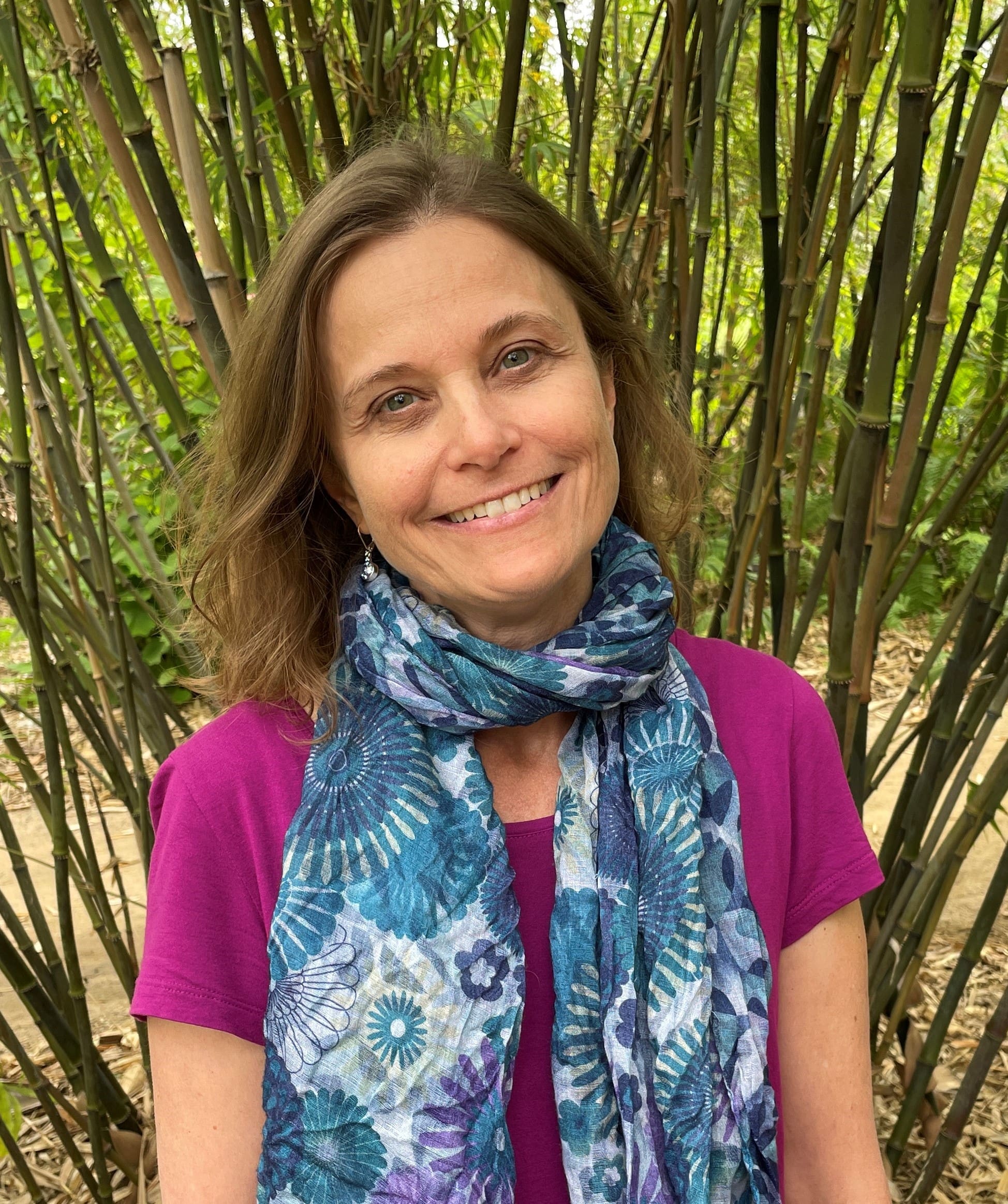
Cambria Walsh, LCSW
Trauma-Informed Consultant and Trainer
Cambria Walsh, LCSW, is a consultant, trainer, and founder of Rise & Revitalize, a program supporting sustainable well-being for helping professionals. With over 20 years of experience, she specializes in trauma-informed care, organizational health, and secondary traumatic stress (STS). Cambria is an associate with TEND Academy, co-developer of the TEND Organizational Health Roadmap, and creator of the TEND Trauma-Informed Practices Training Series. She is a consultant on the CE-CERT model and developed a leadership version specifically for executive leaders incorporating support around organizational implementation of the model. Cambria has contributed to national initiatives, including the NCTSN UKY STS Solutions and Innovations Center, and is a founding member of the international Secondary Traumatic Stress Consortium.
Recognize and Respond: Trauma-Informed Approaches for Youth Impacted by Trafficking
Speaker: Kiricka Yarbough Smith, MSW
Youth impacted by human trafficking often experience complex trauma that shapes their emotional and psychological well-being. This training will examine the definition, contributing factors, indicators, and effects of trafficking among youth, while exploring how intersecting social issues influence risk. Participants will learn practical, trauma-informed strategies to support survivors and apply their knowledge through real-world scenarios to recognize concerns and respond effectively. By the end of the session, attendees will be equipped to foster safe, supportive environments that promote healing and well-being.
Intended Auidence:
- General Audience / All
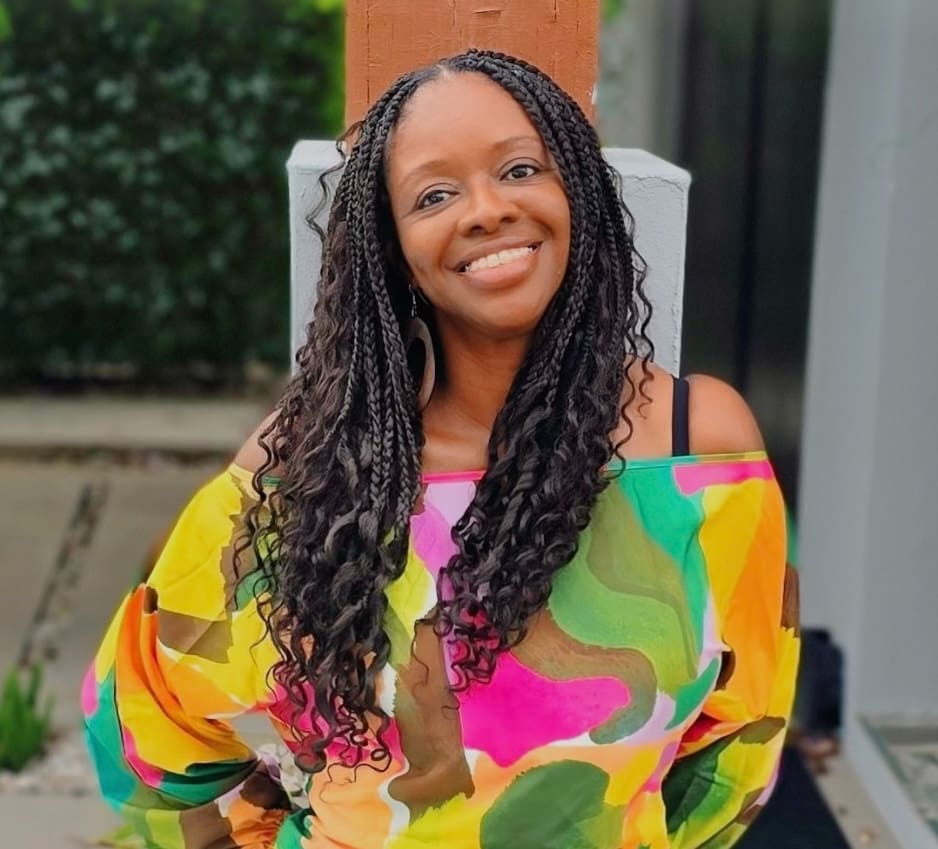
Kiricka Yarbough Smith, MSW
Founder/CEO, KYS Consulting Group
Kiricka Yarbough Smith, MSW, is a social worker with more than 20 years of experience addressing human trafficking, child abuse, and other forms of interpersonal and community violence. As the director of Human Trafficking Programs at the Council for Women and Youth Involvement, she oversaw the development and implementation of statewide initiatives, policies, and training to address human trafficking and intersecting issues while developing programs for youth in rural communities. While there, Ms. Smith established the NC Community Advocates Advisory Committee, creating a multidisciplinary collaboration focused on ensuring that survivors of domestic violence, sexual assault, and human trafficking have access to trauma informed services. Ms. Smith was a founding member of the North Carolina Coalition Against Human Trafficking and served as chair of its Executive Committee from 2014 to 2019. She is a graduate of the National Human Trafficking Training and Technical Assistance Center’s (NHTTAC) Human Trafficking Leadership Academy Fellow’s 2021 class. Ms. Smith served as the Human Trafficking Program manager for the North Carolina Coalition Against Sexual Assault, and she served as an investigator for Project No Rest through UNC-Chapel Hill, which examined the prevalence and impact of trafficking in the child welfare system. As a consultant for NHTTAC, Ms. Smith collaborates with communities, developing resources and enhancing service providers’ capacity to serve all survivors. Ms. Smith is a faculty member at Futures Without Violence, providing training and TA accessible resources for all communities. As a social worker, she addresses human trafficking, child abuse, sexual violence, and domestic violence through a whole person intersectional framework, considering mental health, developmental disabilities, and substance abuse. Ms. Smith founded KYS Consulting Group, providing training, TA, and consulting services to continue increasing access to services victims and survivors from all communities.
Clinical Flexibility Through Dialectics: A DBT Perspective
Speaker: Lane Pederson, PsyD, LP, DBTC
Dialectics and Both/And thinking in Dialectical Behavior Therapy (DBT) elevate the practice of psychotherapy. When clinicians move beyond either or judgments and embrace complexity, they gain powerful tools for case conceptualization, intervention design, and collaborative consultation. Participants will learn how flexible thinking supports emotional balance, reduces therapist burnout, and creates stronger therapeutic alliances. Through real clinical examples, the session demonstrates how dialectical strategies open possibilities, soften polarization in clients and teams, and support sustainable change.
Intended Auidence:
- General Audience / All
- Clinicians / Direct Service Providers

Lane Pederson, PsyD, LP, DBTC
Owner, Mental Health Systems, Inc. (MHS), DBT and Trauma Treatment Programs
Lane Pederson, PsyD, LP, DBTC, is an internationally recognized expert in Dialectical Behavior Therapy and the developer of the Dialectical Trauma Recovery Model, a unifying framework that integrates the major theories of trauma with coherent, skills based interventions that improve real world outcomes. A clinician, award winning author, and dynamic speaker, he has trained tens of thousands of professionals across the globe and consults with leading organizations, including major military and healthcare systems.
9:00am – 10:30am
Session 3
From Surviving to Thriving: How to Treat Trauma and Eating Disorders
Speaker: Cherrelle Davis, LMFT, CEDS-C
The extant literature supports the existence of a strong connection between eating disorders (EDs) and Post Traumatic Stress Disorder (PTSD). For years, clinicians have avoided concurrent treatment of EDs and PTSD, despite facing these co-occurring diagnoses on a regular basis. In order to connect clinical mental health providers with the resources needed to deliver successful treatment, this presentation offers an overview of how we can help clients with EDs and PTSD go beyond surviving their diagnoses to thriving in their lives. We will cover strategies for concurrent treatment using CBT, CPT, and family-based models during this session.
Intended Audience:
- General Audience / All
- Clinicians / Direct Service Providers
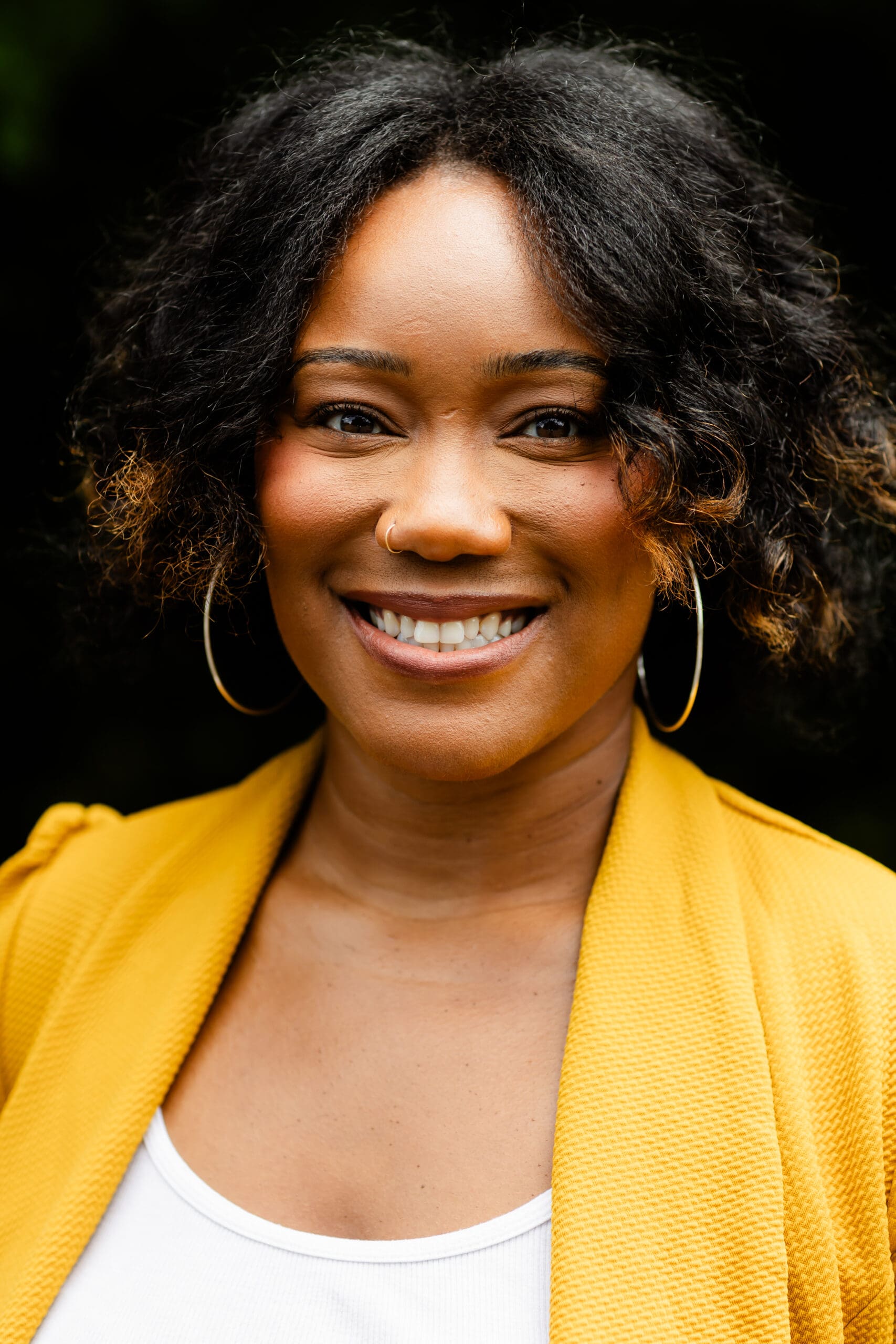
Cherrelle Davis, LMFT, CEDS-C
Owner of Becoming Counseling PLLC
Cherrelle Davis, LMFT, is a Licensed Marriage and Family Therapist and owner of Becoming Counseling, PLLC. She earned a Bachelor’s Degree in Psychology from the University of North Carolina at Chapel Hill and a Graduate Degree in Marriage and Family Therapy from Pfeiffer University. Cherrelle is invested in the treatment of eating disorders, especially in people of color. She has worked in the eating disorder field for 10+ years and is a Certified Eating Disorder Specialist, signifying more than 5,000 hours of clinical work with people with eating disorders. Cherrelle has experience supervising therapists and interns as well as speaking on topics such as Multiculturalism and Eating Disorders. She is the President of the local NC Chapter of the International Association of Eating Disorder Professionals (iaedp) and can often be found spreading awareness. Cherrelle views therapy as an opportunity to become our best selves and have fun along the way.
Keeping the Change: Local Strategies to Keep Evidence-Based Practice Running
Speaker: Katy Dondanville, PsyD, ABPP
This session explores how organizations can maintain fidelity to evidence-based practices long after formal training ends. Participants will examine practical, scalable strategies—peer supervision structures, group consultation routines, and supervisor supports—that help clinicians continue delivering treatments as intended. Emphasis is placed on organizational creativity, sustainability, and cultivating internal champions who can carry fidelity forward.
Intended Audience:
- General Audience / All
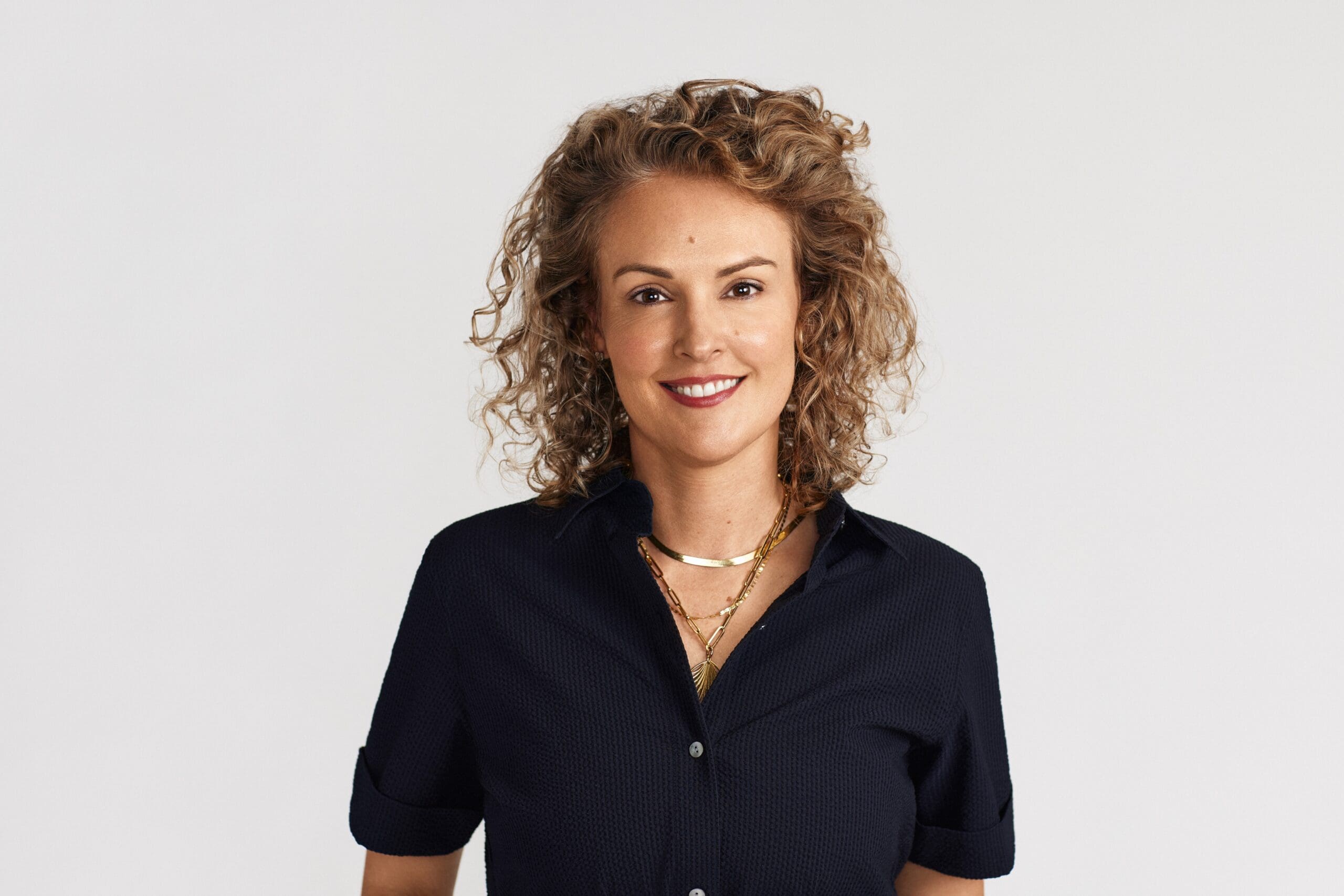
Katy Dondanville, PsyD, ABPP
Professor, UT Health San Antonio
Director, STRONG STAR Training Initiative
Katy Dondanville, PsyD, ABPP, is a psychologist focused on improving mental health care accessibility and quality. As Professor at the University of Texas Health Science Center at San Antonio, she collaborates with researchers and clinicians to drive these efforts. Dr. Dondanville is the Director of the STRONG STAR Training Initiative, which has trained over 4,500 clinicians worldwide in evidence-based treatments for PTSD, suicide, and related conditions. As Chief Scientific Advisor for Face the Fight, she leads efforts to reduce veteran suicide rates. With expertise in PTSD treatments, she is committed to improving access to effective therapies. In addition to her leadership roles, Dr. Dondanville mentors junior faculty and postdoctoral fellows, shaping the next generation of mental health professionals. She has authored over 100 scientific papers and delivered more than 150 presentations, underscoring her dedication to advancing mental health care through research, training, and advocacy.
Critical Connections: Agency and Clinical Strategies for Family Engagement
Speakers: Mellicent O’Brien Blythe, MSW, LCSW, Jessica A. Conley, M.Ed., LCMHC, Todd Posey, LCMHCS, LCAS, CCS, and Tessa Paul, MS, LCMHCS, NCC, LCAS, ACS
One of the most common barriers to sustaining Evidence-Based Treatments is keeping clients and caregivers fully engaged from initial referral through treatment completion. In this workshop, we will review strategies that agencies and clinicians can use to enhance client and family engagement. Participants will learn a combination of research- and practice-based strategies, and will have the chance to apply ideas to their own clinical and agency practice.
Intended Audience:
- Clinicians / Direct Service Providers
- Clinical Supervisors and Agency Leadership
Mellicent O’Brien Blythe, MSW, LCSW
Implementation Specialist, NC Child Treatment Program
Mellicent O’Brien Blythe, MSW, LCSW, is the Implementation Specialist for the NC Child Treatment Program and a Clinical Assistant Professor at the UNC-Chapel Hill School of Social Work. Ms. Blythe oversees the Senior Leader track of NC CTP’s Learning Collaboratives, in which agency leaders receive training and consultation on implementing and sustaining evidence-based treatments. Before coming to CCFH, Ms. Blythe spent 10 years providing training, consultation, and publications for North Carolina’s child welfare system. She previously worked in New York and Virginia in a variety of direct practice settings, including juvenile detention, pediatric AIDS and oncology, and early intervention. Ms. Blythe received her Master’s in Social Work from New York University. Areas of focus: implementation science; leadership development; stakeholder engagement; child welfare.

Jessica A. Conley, M.Ed., LCMHC
Program Coordinator, Behavioral Health Services, Teen Health Connection
Jessica A. Conley, M.Ed., LCMHC, is a Licensed Clinical Mental Health Counselor with over 17 years of experience in the field of behavioral health. She earned her Bachelor of Science in Psychology from Central Michigan University and a Master of Education in Counseling from Winthrop University. Fully licensed since 2012, Jessica has worked in diverse settings, including as a school counselor, in private practice, and at a psychiatric treatment facility.
Since 2016, Jessica has served as a psychotherapist at Teen Health Connection, specializing in trauma, gender diversity, and eating disorder treatment. Jessica is trained and rostered in Trauma-Focused Cognitive Behavioral Therapy (TF-CBT), Family-Based Therapy (FBT) for eating disorders, and holds certification in Brainspotting. In 2025, she served as a TF-CBT Senior Leader, reflecting her commitment to advancing trauma-informed care. Her clinical expertise and dedication to evidence-based practices make her a trusted resource for supporting youth and families through complex mental health challenges.
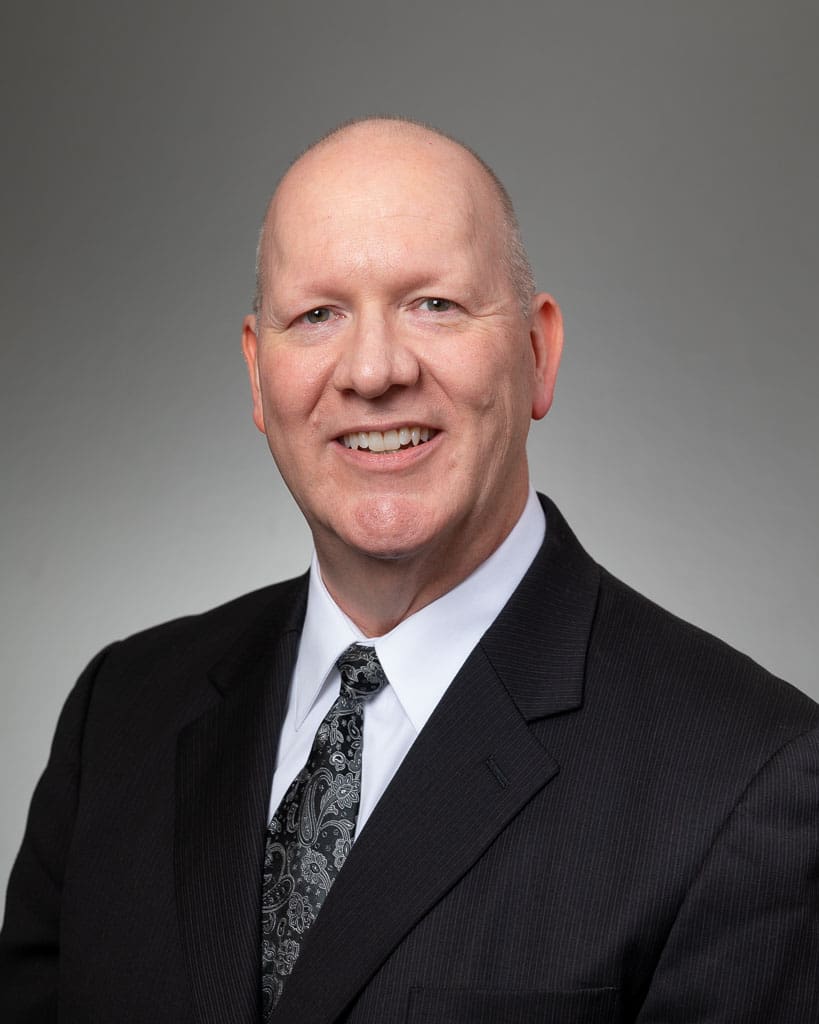
Todd Posey, LCMHCS, LCAS, CCS
VP of Operations, Outpatient Clinical Services, Monarch
Todd Posey, LCMHCS, LCAS, CCS, is a Licensed Clinical Mental Health Counselor Supervisor, Licensed Clinical Addictions Specialist, and Certified Clinical Supervisor. He has a Master of Education degree in Guidance and Counseling from Virginia State University and a Graduate Certificate in Substance Abuse Counseling from East Carolina University. Todd has worked in clinical and operations leadership in behavioral health for nearly 20 years. He has experience working with children, adolescents, adults, and families with mental health and/or substance use issues in outpatient, community based, and residential treatment settings. He is a member of the Motivational Interviewing Network of Trainers (MINT). Todd currently serves as Vice President of Clinical Best Practice at Monarch, one of the largest behavioral health providers in North Carolina. He and his family reside in Alamance County, NC.

Tessa Paul, MS, LCMHCS, NCC, LCAS, ACS
Licensed Clinical Mental Health Counselor Supervisor and Clinical Program Manager, RHA Health Services
Tessa Paul, MS, NCC, LCMHCS, LCAS, ACS, is a Licensed Clinical Mental Health Counselor Supervisor and Clinical Program Manager at RHA Behavioral Health Services, with more than 15 years of experience in community-based behavioral health, trauma-informed care, and clinical supervision. She provides leadership and oversight for programs serving children and families with complex mental health and substance use needs, and has extensive experience in intensive in-home services, community support, and mobile crisis intervention. Tessa’s clinical expertise includes trauma assessment and treatment, family systems work, crisis stabilization, and substance use treatment. She is EMDR certified and trained in Trauma-Focused Cognitive Behavioral Therapy (TF-CBT) and Alternatives for Families: A Cognitive Behavioral Therapy (AF-CBT) and regularly supports clinicians in integrating evidence-based practices as needed to create dynamic and clinically appropriate treatment approaches for family systems. Tessa has also served as a senior leader for clinicians training in CE-CERT, ARC, TF-CBT, and AF-CBT. Her work emphasizes strong clinical conceptualization, relational safety, and effective engagement with high-risk youth and caregivers. As an Approved Clinical Supervisor, Tessa’s supervision and training approach is grounded in developmental models and reflective practice. She integrates the roles of teacher, counselor, and consultant to support ethical decision-making, professional growth, and clinical competence. Tessa is a dynamic and practical speaker who translates her clinical work and expertise into real-world strategies that strengthen clinical skills, promotes workforce resilience, and improves outcomes for children and families.
Utilizing Emotional Intelligence (EI) Strategies to Reduce Anger and Promote Psychological Wellness in Therapy
Speaker: Linnéa Parsons-Willis, MA, PhD, LCPC, LPC, LPCC-S
Anger is often misunderstood, leading to miscommunication, emotional disconnection, and ineffective coping in personal and professional relationships. This presentation addresses our need to understand anger by exploring how Emotional Intelligence (EI) shapes anger awareness, regulation, and expression, using evidence-based frameworks and practical interventions. Participants will gain skills in identifying the roots of anger, applying EI-informed regulation strategies, and guiding clients and couples toward healthier conflict resolution and emotional safety.
Intended Audience:
- Clinicians / Direct Service Providers
- Clinical Supervisors and Agency Leadership
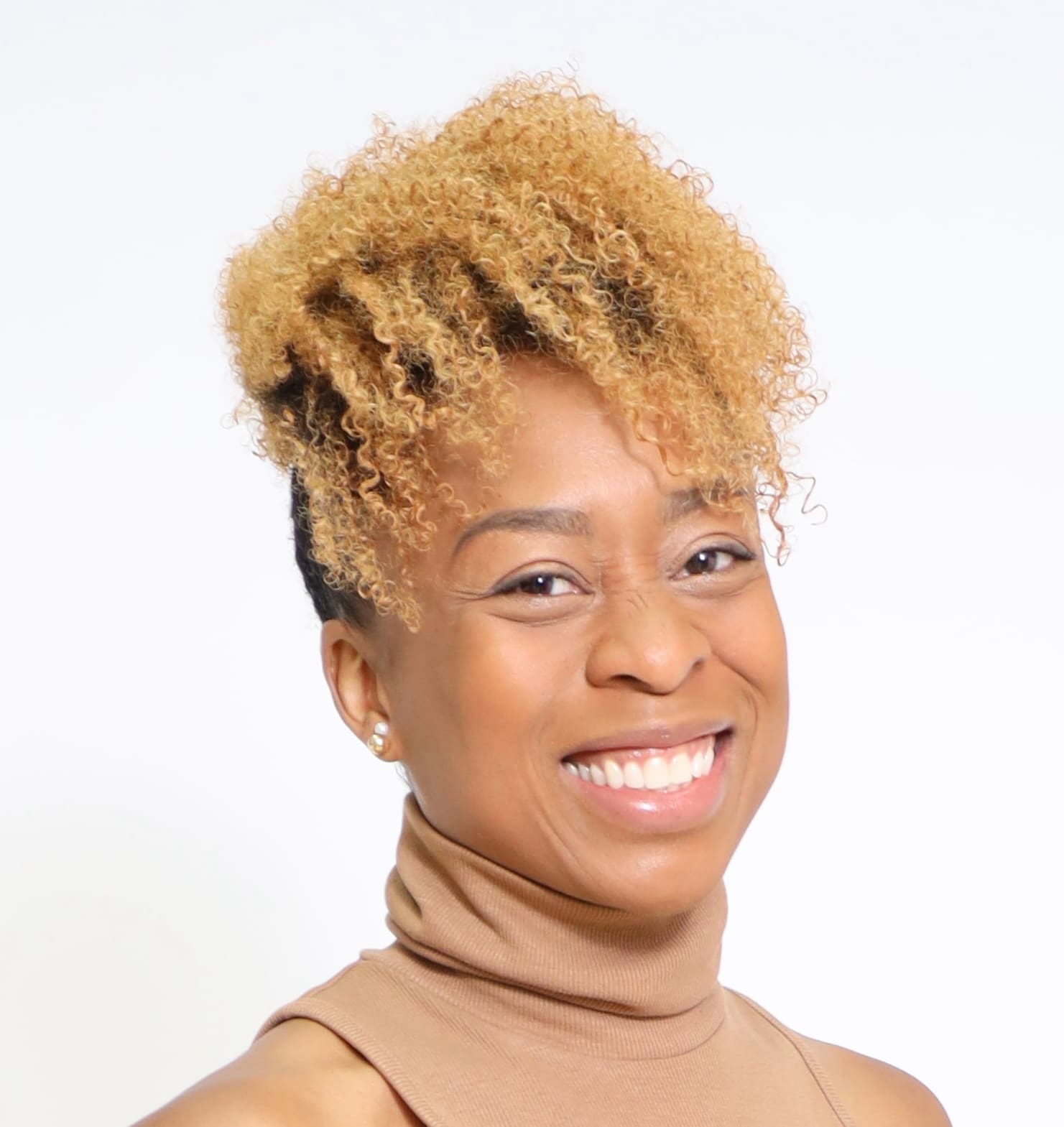
Linnéa Parsons-Willis, MA, PhD, LCPC, LPC, LPCC-S
Clinical Director of LP Counseling & Therapy Services
Linnéa Parsons-Willis, PhD, MA, LCPC, LPC, LPCC-S, is a licensed clinical supervisor and the founder of LP Counseling & Therapy Services, where she provides evidence-based therapy and supervision to clinicians, adults, teens, and couples navigating anxiety, trauma, depression, and relational challenges. She integrates research on emotional intelligence and relational safety to promote psychological wellness and system-wide change. Dr. Willis is a published researcher whose work explores the role of emotional intelligence in reducing aggression and improving affective health among Black emerging adults. With over 15 years of leadership and clinical experience, she is also a community-engaged educator, faith leader, and trainer dedicated to helping individuals and organizations build emotional clarity, resilience, and connection.
Hidden in Plain Sight: FASD at the Intersection of Adoption, Trauma, and Mental Health
Speaker: Mary Kate Humphrey, MSW, LCSWA
Fetal Alcohol Spectrum Disorders are common (1 in 20), under-recognized (less than 10% are accurately diagnosed), and frequently misunderstood in mental health care – particularly among adopted and foster youth. This training equips clinicians with a neurodevelopmental framework intersecting with early childhood trauma and adapt treatment approaches to more effectively support clients and caregivers impacted by prenatal substance exposure.
Intended Audience:
- General Audience / All
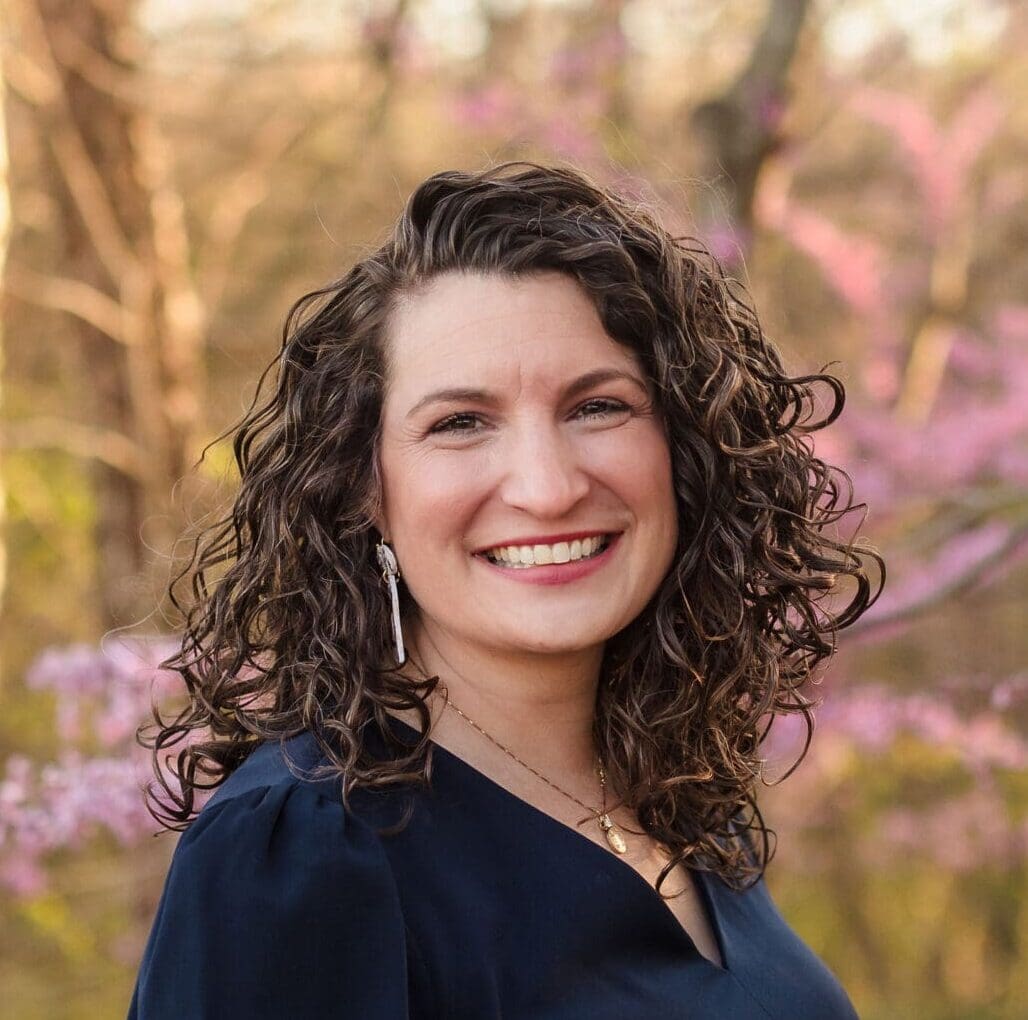
Mary Kate Humphrey, MSW, LCSWA
Mental Health Clinician, Consulting Clinical Trainer (LEAF), NC Child Treatment Program
Mary Kate Humphrey, MSW, LCSWA, is a dedicated mental health clinician specializing in working with children and families impacted by adoption and foster care. She holds a Bachelor’s in Child Development and a Master’s in Social Work from Columbia University. Mary Kate is a neurobehavioral specialist passionate about advocating for children with prenatal substance exposure and other neurodevelopmental disabilities. Combining her lived experience as a foster and adoptive parent, Mary Kate strives to collaborate with all members of the adoption constellation and interdisciplinary teams.
10:30am – 10:45am
Break
10:45am – 12:15pm
Closing Plenary
Building Resilience Among Child Welfare-Involved Children and Youth
Speaker: Dana Hagele, MD, MPH
Children and youth involved in the child welfare system, including young adults who aged out of foster care, frequently experience poor short- and long-term outcomes. This session will focus on recent, state-level System of Care innovations in North Carolina specifically designed to improve safety, permanency, and well-being outcomes among this vulnerable population. Additionally, the discussion will highlight resilience-building strategies that clinicians and administrators can implement within community agencies to improve outcomes among child welfare-involved clients/patients.
Intended Audience:
- General Audience / All
- Clinicians / Direct Service Providers
- Clinical Supervisors and Agency Leadership

Dana Hagele, MD, MPH
Chief Medical Officer, Healthy Blue Care Together
Dana Hagele, MD, MPH, is a board-certified child abuse pediatrician who has lived and worked in North Carolina for over 26 years. Throughout her career, Dana maintained a clinical practice as a child maltreatment subspecialist, serving UNC Hospitals, Duke University Medical Center, and CrossRoads Child Advocacy Center. Dana is a co-founder and former Director of the North Carolina Child Treatment Program, and previously served as the Director of Clinical Services for Children’s Advocacy Centers of North Carolina. In 2024, Dana joined Blue Cross NC as Chief Medical Officer for Healthy Blue Care Together, the statewide Medicaid managed care plan for children and youth in foster care or adopted from foster care, as well as young adults formerly in foster care. Dana is a licensed foster parent, providing respite and foster care to children and youth.